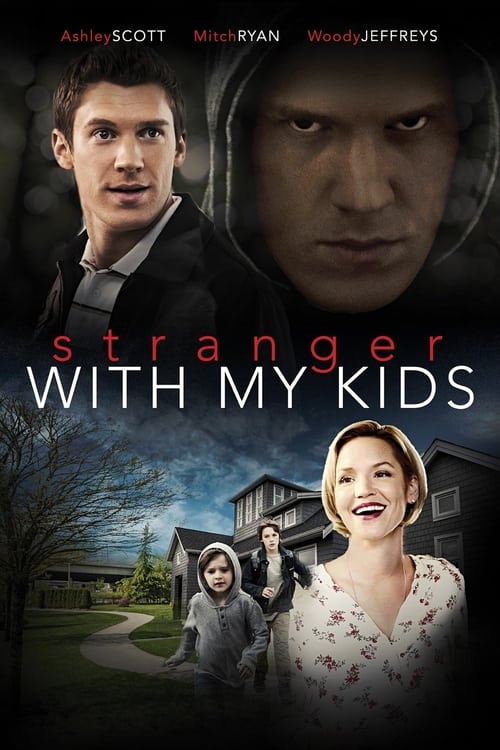
A Stranger with My Kids
2017
No user ratings available yet
Representation score: 2.8 out of 10
Representation Score
Minimal
2006
TV-14Director
Terry Ingram
Runtime
90 minutes
Average Rating
No ratings yetNew Showbiz Analysis
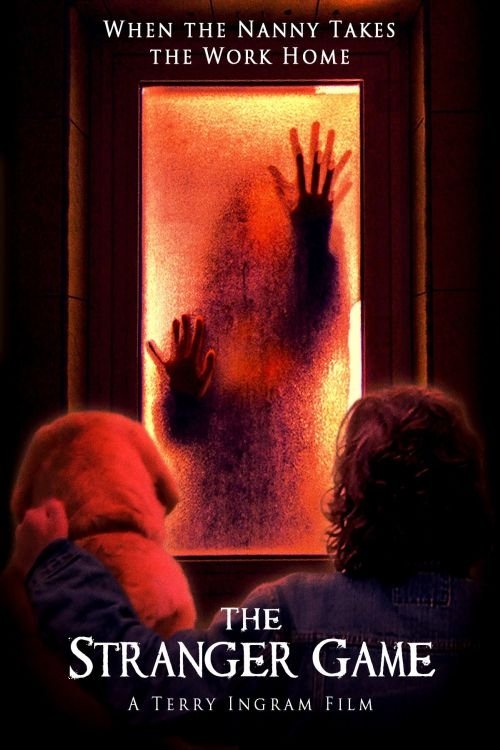
The Stranger Game follows a traditional domestic thriller format, relying heavily on genre clichés rather than engaging in deeper social commentary. The plot centers on the disruption of the nuclear family, using a male nanny to create tension through role reversal. While the film introduces a unique twist by having a male nanny, it primarily adheres to established archetypes. The conflict is driven by individual interpersonal danger rather than exploring multi-layered identities or systemic power dynamics. Overall, the film lacks the necessary depth to address broader social themes, focusing instead on a conventional thriller trajectory of maternal vulnerability and masculine instability.
Category Breakdown
The film does not include any characters with non-straight or non-cisgender identities, nor does it feature any same-sex relationships. The story revolves around a traditional family setup.
The story features a male nanny, which flips the typical gender roles. However, it may reinforce traditional gender stereotypes by portraying the male nanny as a predator and the mother as vulnerable.
No information is provided about the racial or ethnic makeup of the cast. Therefore, the diversity of the characters cannot be evaluated.
The plot focuses on protecting the traditional nuclear family from an external threat, aligning with conventional Western values rather than presenting a critique of broader societal structures.
There is no mention of characters with physical disabilities or neurodivergence. None of the characters have these traits as central elements of their roles.
Present on Screen
Limited or Absent
Official Synopsis
A hard-working mother hires a male nanny to take care of her son, but soon discovers that he is an antisocial psychopath bent on destroying her family.
2017
1965

2019

2009

2017

2017

2016

2018
No reviews yet. Be the first to share your thoughts on this movie!
Use the rating form above to leave a star rating and optional review.