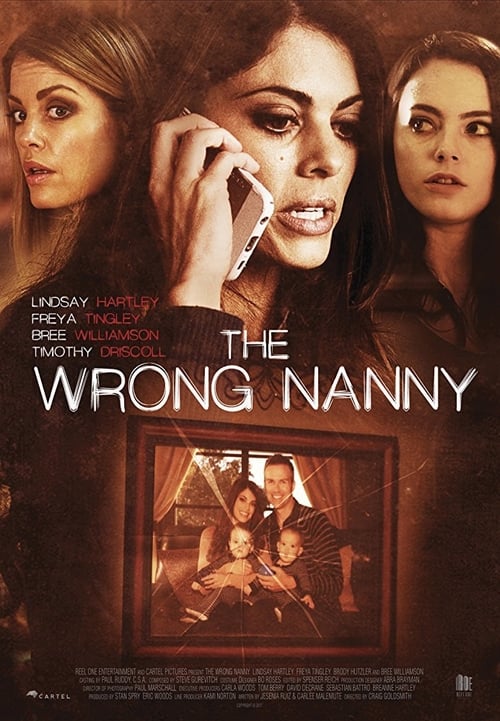
The Wrong Nanny
2017
No user ratings available yet
Representation score: 1.4 out of 10
Representation Score
Minimal
2016
PG-13Director
David DeCoteau
Runtime
87 minutes
Average Rating
No ratings yetNew Showbiz Analysis
The film operates as a standard psychological thriller that prioritizes genre clichés over social exploration. It reinforces traditional social and familial structures rather than disrupting them. The narrative centers on individual paranoia and the sanctity of the suburban home. Because the story revolves around a wealthy, homogeneous nuclear family, it lacks depth in reflecting multiple aspects of identity. The conflict is driven by personal psychological tension rather than broader systemic or cultural critique.
Category Breakdown
The film does not include any characters with LGBTQ+ identities or themes of same-sex intimacy. It focuses solely on a traditional family structure.
The story emphasizes maternal roles and domestic duties, sticking to traditional gender roles. Despite this, the female protagonist plays a significant role in driving the plot.
The cast appears uniform within a middle-class suburban context, without any blending of races or challenging Anglo-centric norms.
The story unfolds within a typical Western capitalist framework, focusing on private domestic life without engaging with diverse cultural critiques or institutional subversion.
There are no characters with disabilities in the film. The child's unusual behavior is portrayed as sociopathic rather than a nuanced exploration of neurodivergence.
Present on Screen
Limited or Absent
Official Synopsis
A wealthy woman who's married to a successful architect welcomes her husband's alleged son into the family after he appears on their doorstep, but she soon discovers the mysterious teen is a dangerous sociopath with a grudge.
2017
2019
2021
2006
2020

2016
2018
2017
No reviews yet. Be the first to share your thoughts on this movie!
Use the rating form above to leave a star rating and optional review.