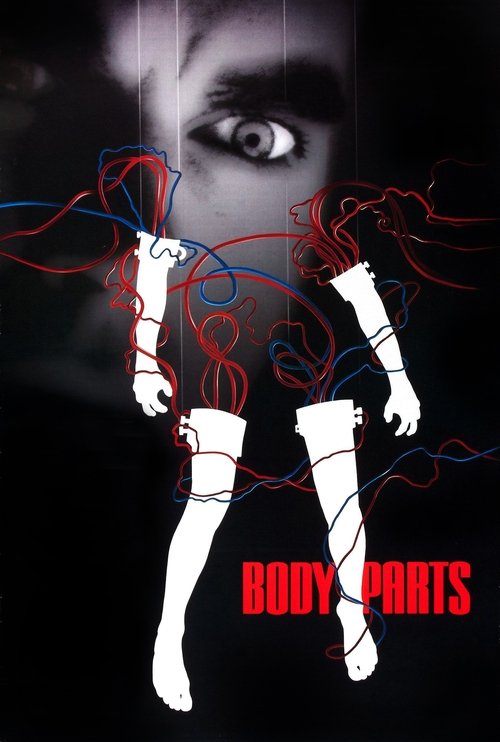
Body Parts
1991
No user ratings available yet
Representation score: 1.9 out of 10
Representation Score
Limited
1981
RDirector
Oliver Stone
Runtime
104 minutes
Average Rating
No ratings yetNew Showbiz Analysis
The Hand is a psychological character study that focuses on the breakdown of the individual psyche within a traditional framework. It primarily serves as an early exploration of Oliver Stone's interest in the instability of American institutions and social structures. While the film offers a postmodern critique of the perceived stability of mid-century Western institutions, it remains a largely homogeneous narrative. The cast and setting reflect the social constraints of its era, focusing on a narrow demographic. Ultimately, the film's strengths lie in its thematic skepticism rather than its diversity. It explores the fragmentation of the individual within a traditional context, rather than expanding that context to include diverse identities.
Category Breakdown
The film does not include any characters with non-binary or LGBTQ+ identities. The social world is focused on traditional heterosexual relationships and gender roles.
The male protagonist's journey dominates the narrative. A female character provides a domestic context, but the story follows traditional gender roles and hierarchies.
The story centers around a predominantly white, upper-class professional group. It lacks diversity and does not give much ability to act to non-white characters.
The film questions the stability of Western institutions and the mid-century professional class. It uses moral ambiguity to challenge traditional good-versus-evil narratives.
The loss of a limb is used as a supernatural element in the plot. It serves as a catalyst for psychological horror rather than exploring the lived experience of disability.
Present on Screen
Limited or Absent
Official Synopsis
Jon Lansdale is a comic book artist who loses his right hand in a car accident. The hand was not found at the scene of the accident, but it soon returns by itself to follow Jon around, and murder those who anger him.
1991

1924

2000

1988

1989

1978

1960
1935
No reviews yet. Be the first to share your thoughts on this movie!
Use the rating form above to leave a star rating and optional review.