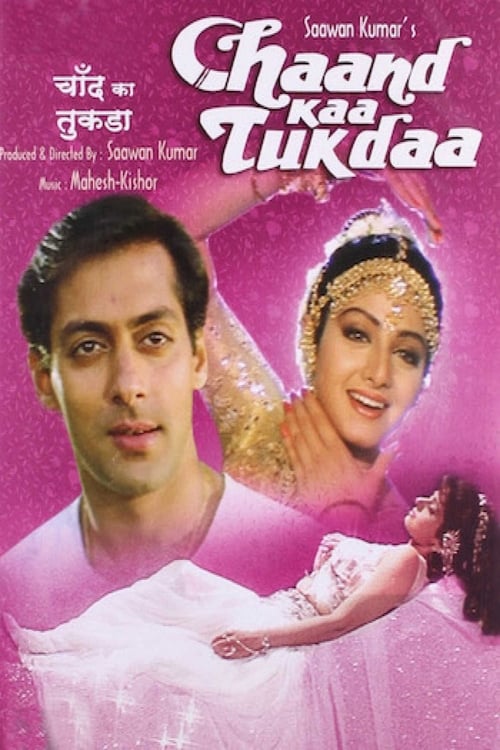
Chaand Kaa Tukdaa
1994
No user ratings available yet
Representation score: 2.8 out of 10
Representation Score
Limited
1993
Director
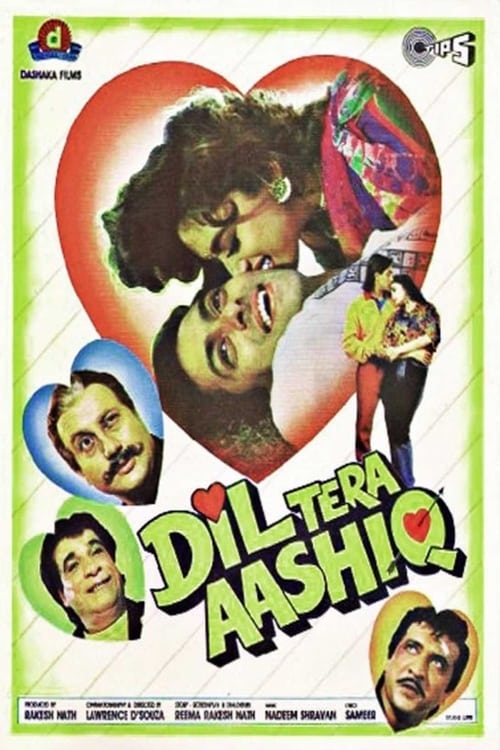
Lawrence D'Souza
Runtime
145 minutes
Average Rating
No ratings yetNew Showbiz Analysis
Dil Tera Aashiq is a traditional romantic musical that prioritizes established social hierarchies and conventional storytelling. It provides a culturally specific look at Indian familial dynamics but lacks intentionality in challenging power structures. The film relies heavily on patriarchal authority and traditional gender roles. While the female lead shows cleverness through her disguise, the narrative remains anchored in romantic pursuits and domestic expectations. Overall, the work offers limited representation of diverse identities, focusing instead on class tensions and the emotional weight of family lineage within a standard 1990s framework.
Category Breakdown
The film follows traditional heterosexual romantic conventions common in early 1990s Indian cinema. There is no depiction of non-binary gender identities or same-sex relationships.
Soniya shows a significant role in driving the story through social deception, but her role remains centered around romance and domestic life. The patriarchal authority of Thakur Ranvir Singh Chaudhary upholds established gender hierarchies.
The cast and setting are ethnically uniform, reflecting the regional context of the Indian film industry. The narrative focuses on internal class dynamics rather than diverse ethnic backgrounds.
The plot centers on the sanctity of family lineage and traditional marital norms. It lacks secular critiques, leaning into the melodrama of conventional social institutions.
There is no representation of physical, sensory, or neurodivergent disabilities. No characters use disability as a narrative device or for character development.
Present on Screen
Limited or Absent
Official Synopsis
Wealthy Thakur Ranvir Singh Chaudhary never forgave his late sister Radha for marrying a poor man. After her death, he reluctantly takes in her children—Vijay, Bittu, and Gudiya. Desperate for work, Soniya disguises herself as elderly Savitri Devi to become a governess for the children while also teaching dance. She meets Vijay, and they fall in love, but Thakur, unaware of her true identity, finds himself drawn to Savitri.
1994

1999

2014
1997
1993
1994
2003
1992
No reviews yet. Be the first to share your thoughts on this movie!
Use the rating form above to leave a star rating and optional review.