
Follow Me to Hell
2019
No user ratings available yet
Diversity score: 4.0 out of 10
2019
Director
Carlo Ledesma
Runtime
106 minutes
Average Rating
No ratings yetSynopsis
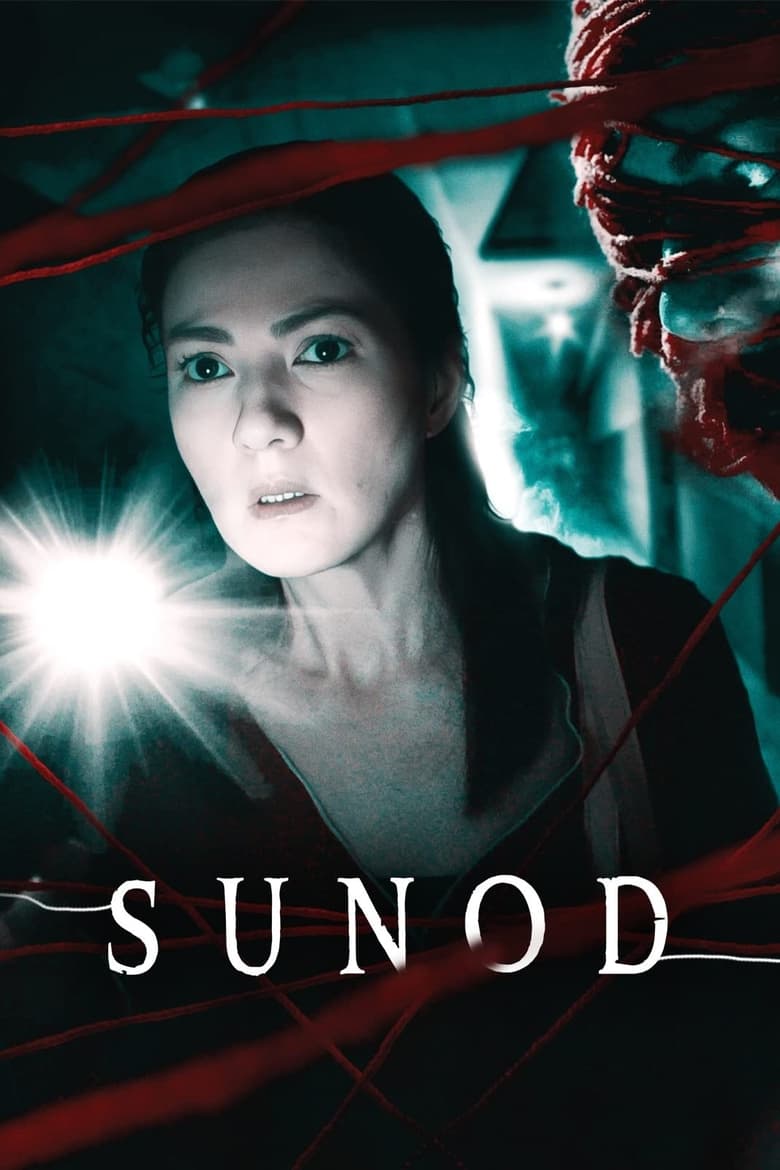
A woman is desperate to find the cure to her daughter's illness. She takes a job at a call center, only to be haunted by the ghost in it.
Overall Score
Fair
Category Breakdown
LGBTQ+ Representation
The film lacks evidence of LGBTQ+ characters or non-cisnormative identities. The narrative focus remains strictly on a maternal and daughter dynamic.
Gender Representation
The story centers on female agency through a mother's struggle to provide for her child. She is portrayed as a resilient professional navigating a high-pressure call center environment.
Racial & Ethnic Diversity
Situated in a Filipino cultural context, the film offers a non-Western narrative framework. This placement inherently disrupts Hollywood-centric casting norms.
Religious & Cultural Diversity
The call center setting introduces themes of labor and socioeconomic pressure. However, the film's specific stance on religion or systemic critique is not clearly defined.
Disability Representation
A child's illness serves as a central plot driver. It introduces themes of medical vulnerability and the lived experience of caregiving within the horror framework.
Strengths
Areas for Improvement
AI Analysis
Sunod offers a localized horror experience that centers on maternal resilience rather than passive domesticity. By focusing on a woman navigating professional and medical crises, the film provides a character-driven perspective that moves away from standard Western tropes. The narrative's strength lies in its cultural positioning and the depiction of female agency. However, the film lacks intersectional complexity, as it does not explicitly address LGBTQ+ identities or broader systemic critiques. Ultimately, the film provides a foundation of character-driven struggle, though it remains focused on a relatively narrow set of social dynamics.
2019

2022

2010
2017

2014

2022
2019

2016
2019
2016

2019

2003
No reviews yet. Be the first to share your thoughts on this movie!
Use the rating form above to leave a star rating and optional review.