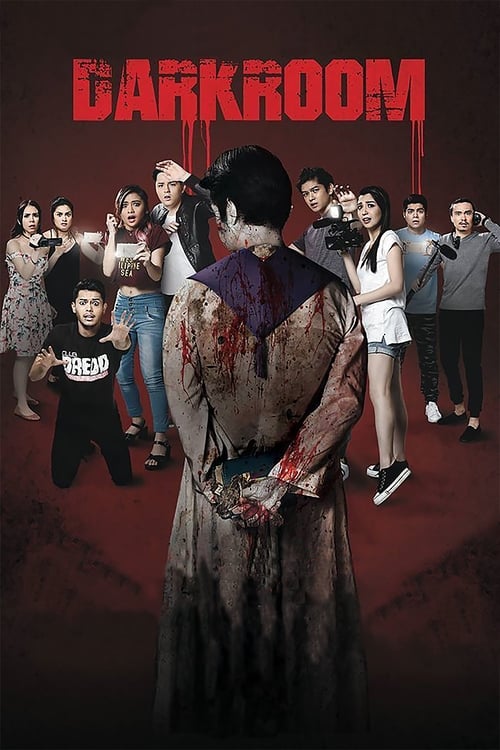
Darkroom
2017
No user ratings available yet
Diversity score: 4.1 out of 10

2015
PG-13Director
Pedring Lopez
Runtime
90 minutes
Average Rating
No ratings yetSynopsis
Daniel and Cynthia, a young couple with a child on the way, experience some hard times in Manila. They head back to Baguio, where Daniel is originally from, to start over again. Through the kindness of Alex, Daniel's well-to-do childhood friend, they get to stay in a large house, rent-free; and he gets a job offer as well. Everything seems to be falling into place for them - or so they think - until strange things start to happen in their house.
Overall Score
Fair
Category Breakdown
LGBTQ+ Representation
The film focuses on a traditional heteronormative couple, Daniel and Cynthia. There is no evidence of LGBTQ+ characters or non-cisnormative identities within the narrative.
Gender Representation
The story centers on traditional domestic roles, featuring an expectant mother and a male provider. It lacks evidence of subverting gender hierarchies or exploring masculine incompetence.
Racial & Ethnic Diversity
Set in Manila and Baguio, the film provides authentic regional representation through a predominantly Filipino cast. It functions as a culturally specific narrative rather than an intersectional deconstruction.
Religious & Cultural Diversity
The plot explores class disparity through the relationship between a wealthy friend and a struggling couple. It follows traditional haunted house tropes rather than promoting specific secularist frameworks.
Disability Representation
The narrative contains no mention of characters with visible or invisible disabilities, neurodivergence, or chronic illness.
Strengths
Areas for Improvement
AI Analysis
Binhi: The Seed operates within the established conventions of psychological horror, prioritizing atmospheric tension and domestic instability over social activism. The story relies on a standard family unit to drive its emotional stakes, which limits its intersectional depth. While the film offers authentic Filipino settings and characters, it does not actively seek to deconstruct systemic norms. The tension arises from supernatural disruptions and class-based economic stratification rather than identity-driven conflict. Ultimately, the film serves as a localized genre piece. It focuses on the preservation of the family unit amidst external pressures, maintaining a traditional narrative architecture.
2017

2019

2012
2018

2021

2017

2018
2010

2019

2009

2015

2006
No reviews yet. Be the first to share your thoughts on this movie!
Use the rating form above to leave a star rating and optional review.