
Prom Night
1980
No user ratings available yet
Representation score: 0.4 out of 10
Representation Score
Limited
1989
RDirector
Rospo Pallenberg
Runtime
91 minutes
Average Rating
No ratings yetNew Showbiz Analysis
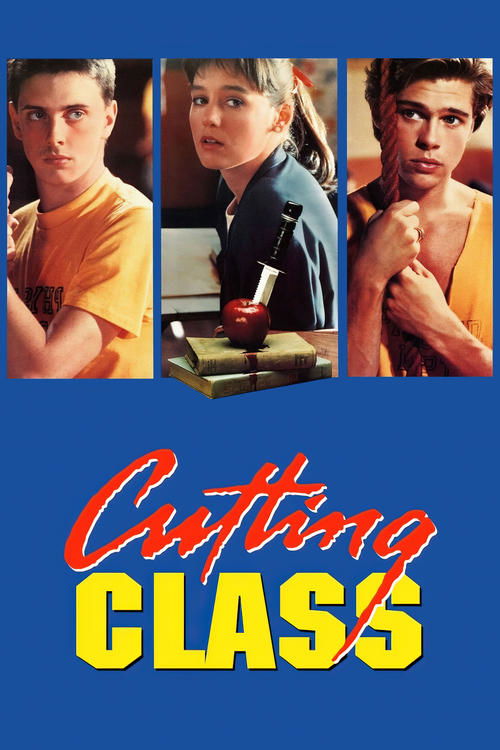
Cutting Class is a quintessential 1980s slasher that prioritizes genre clichés over social depth. The narrative relies on established archetypes, such as the 'bad boy' and the 'disturbed' outsider, to drive its mystery. Representation is minimal and largely follows the era's conventions. The film focuses on a straight-centered romantic triangle and uses mental health history as a tool for tension rather than character development. Ultimately, the film functions within a narrow social framework, remaining a product of its specific cinematic period.
Category Breakdown
The film centers on a traditional romantic triangle between a female protagonist and two male suitors. It lacks any queer narratives or non-straight relationships.
Paula Carson occupies the 'Final Girl' role, playing a significant part in driving the story. However, her actions remain largely reactive to the male characters and established genre clichés.
The cast appears largely homogeneous, reflecting the typical demographic makeup of late-80s American teen horror. There is no evidence of significant racial diversity.
Set in a standard American high school, the film uses adolescent rebellion as a genre cliché. It does not critique Western institutions or religious frameworks.
Mental health history serves primarily as a suspense-driven plot device. The narrative relies on the 'dangerous' cliché rather than offering a nuanced portrayal of neurodivergence.
Present on Screen
Limited or Absent
Official Synopsis
High school student Paula Carson's affections are being sought after by two of her classmates: Dwight, the "bad boy", and Brian, a disturbed young man who has just been released from a mental hospital where he was committed following the suspicious death of his father. Soon after being released, more murders start happening. Is Brian back to his old tricks, or is Dwight just trying to eliminate the competition?
1980

1976

1998
1983

1990
1972

1983

2006
No reviews yet. Be the first to share your thoughts on this movie!
Use the rating form above to leave a star rating and optional review.