Perkins' 14
2009
No user ratings available yet
Diversity score: 3.0 out of 10
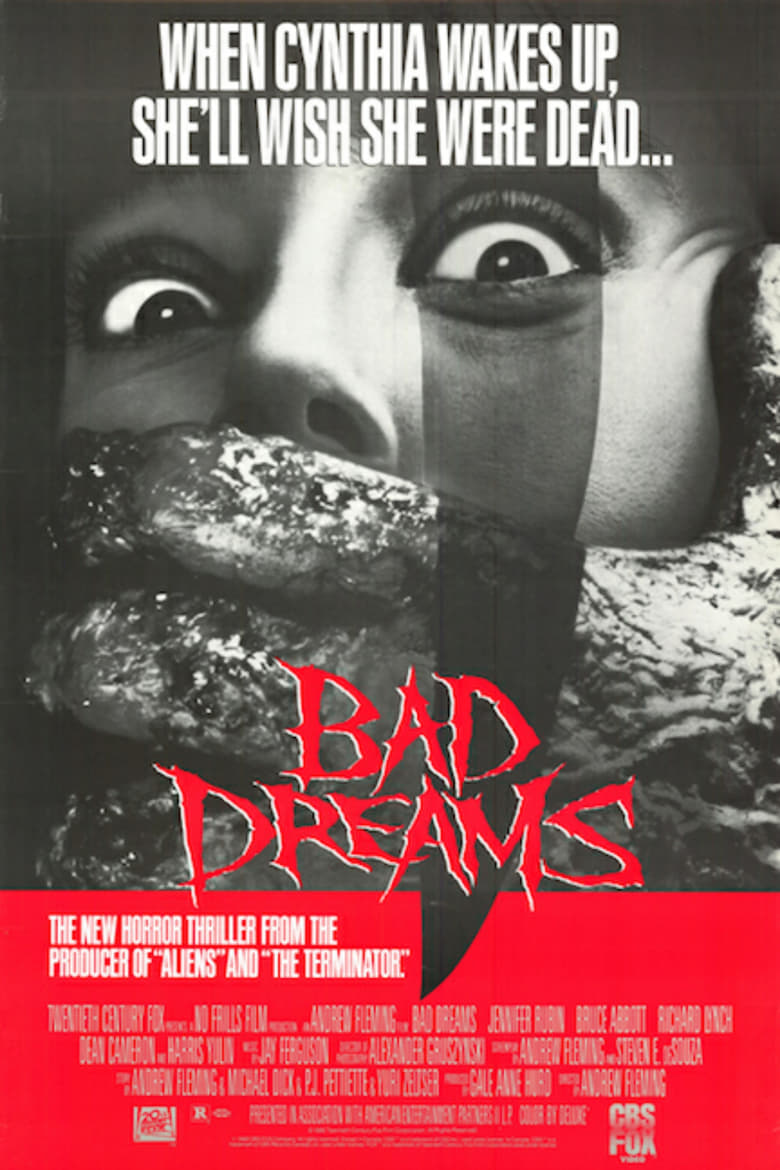
1988
RDirector
Andrew Fleming
Runtime
86 minutes
Average Rating
No ratings yetSynopsis
Unity Field, a "free love" cult from the '70s, is mostly remembered for its notorious mass suicide led by Harris, its charismatic leader. While all members are supposed to burn in a fire together, young Cynthia is spared by chance. Years later, the nightmare of Unity Field remains buried in her mind. But when those around Cynthia start killing themselves, and she begins having visions of Harris, she may be forced to confront the past -- before it confronts her.
Overall Score
Limited
Category Breakdown
LGBTQ+ Representation
The film focuses on the psychological trauma of a survivor and a cult leader. There is no explicit evidence of LGBTQ+ character arcs or critiques of heteronormativity.
Gender Representation
Cynthia serves as a female-centric protagonist navigating horror and past trauma. Her agency is tied to survival, though the film lacks evidence of subverting traditional gender hierarchies.
Racial & Ethnic Diversity
The narrative does not specify the racial or ethnic composition of the cast. There is no verifiable evidence of high-agency characters of color or intersectional blending.
Religious & Cultural Diversity
The story explores the fallout of a 'free love' cult, critiquing communal ideologies. However, it treats these structures as sources of trauma rather than broader social critiques.
Disability Representation
Cynthia experiences visions and psychological distress related to PTSD. It remains unclear if this provides nuanced mental health representation or uses instability as a standard horror trope.
Strengths
Areas for Improvement
AI Analysis
Bad Dreams centers its narrative on the psychological aftermath of a cult mass suicide. While the film provides a strong female lead in Cynthia, the scope of the character development appears limited to her personal survival and trauma response. The film engages with cultural themes through the deconstruction of the 'free love' movement. However, these elements function primarily as horror catalysts rather than deep sociological critiques of religion or capitalism. Overall, the production lacks specific evidence of diverse racial, ethnic, or LGBTQ+ representation, leaning instead on traditional psychological horror tropes and a singular protagonist's experience.
2009
2008

2013
1973
2023

1998
1980
1974
2004

1988
2012

2018
No reviews yet. Be the first to share your thoughts on this movie!
Use the rating form above to leave a star rating and optional review.