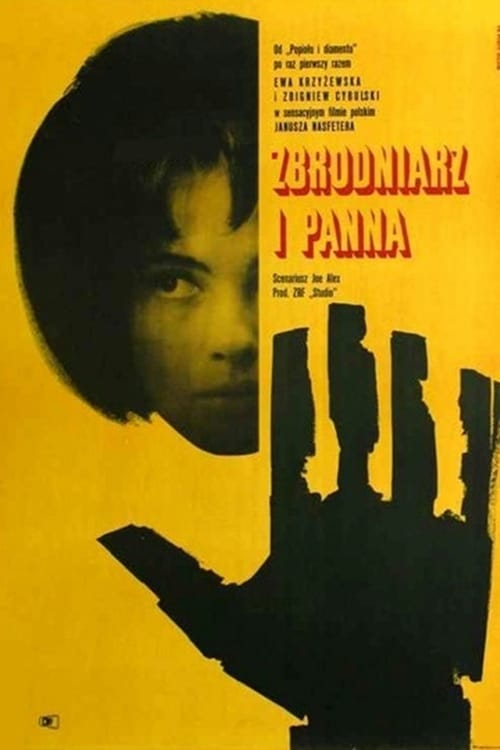
The Criminal and the Lady
1963
No user ratings available yet
Representation score: 2.4 out of 10
Representation Score
Limited
1967
Director
Jindřich Polák
Runtime
89 minutes
Average Rating
No ratings yetNew Showbiz Analysis
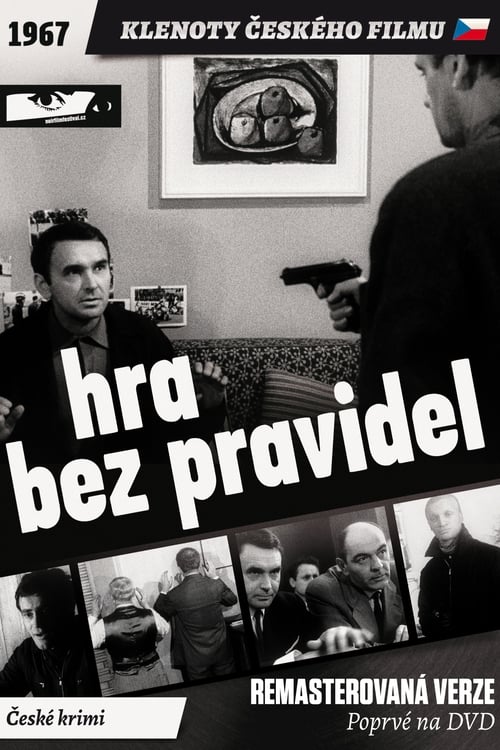
A Game Without Rules is a crime drama that emphasizes a critique of institutions over social representation. The narrative focuses on the moral and kinetic struggles of a male-dominated cast, leaving little room for diverse representation. While the film lacks representation in terms of gender, race, or sexual orientation, it excels in deconstructing the cliché of competent authority. The protagonist's transition from investigator to cab driver highlights a nuanced view of institutional imperfection. Ultimately, the film’s strength lies in its subversion of traditional heroic morality rather than its broad demographic inclusiveness.
Category Breakdown
The film does not include any characters or stories related to LGBTQ+ individuals. The plot revolves around male protagonists involved in criminal activities, without showing any queer representation.
The story centers on masculine characters such as robbers, police officers, and managers. Women do not hold positions of power or challenge gendered expectations.
Set in 1967 Czechoslovakia, the film reflects the homogeneous demographics of its time. It adheres to the social norms of its era without using diverse casting to break the status quo.
The narrative critiques the effectiveness of the state and legal systems. The protagonist's disillusionment with the judicial system suggests a move toward moral relativism and skepticism of authority.
There is no information available regarding the portrayal of physical or neurodivergent disabilities within the film.
Present on Screen
Limited or Absent
Official Synopsis
A robbery in a Prague jeweler's shop results in the shop manager Kubát and his deputy Litera being shot and wounded. The culprits take the jewelery away in a stolen car and that very night hide the loot tens of kilometers outside Prague in a forest. Then the three robbers part with each other. One of them, Burian, leaves in the same car, the other two, Duda and Hovorka, take to flight in another car, which soon ends up in a car crash. Hovorka dies in the accident, but Duda survives and hides in an abandoned cottage. Burian is arrested, Duda is traced out by a police dog. Duda confesses to the robbery to the criminologist Málek, but refuses to say where is the jewelery. The robber then begins to shoot and Málek kills him in self-defense. The court fails to prove Litera's involvement in the robbery and the only one convicted is Burian. The disappointed Málek leaves the police and begins to work as a cab driver.
1963

1955
1959
1971
1971
1956
1971
1960
No reviews yet. Be the first to share your thoughts on this movie!
Use the rating form above to leave a star rating and optional review.