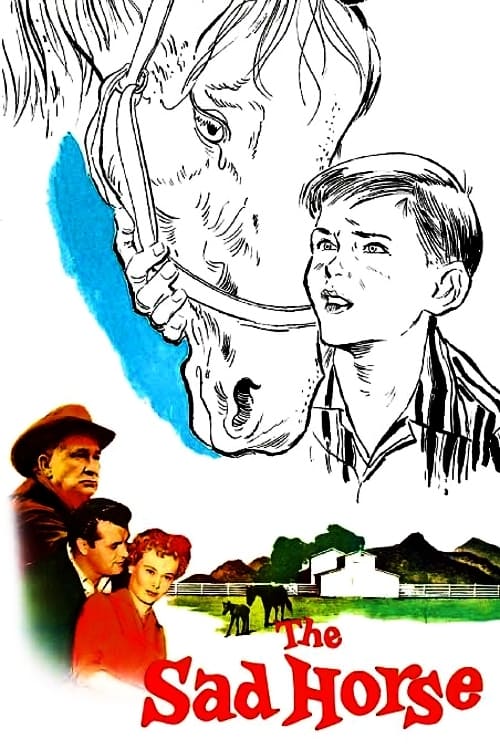
The Sad Horse
1959
No user ratings available yet
Diversity score: 2.1 out of 10

1963
GDirector
James B. Clark
Runtime
90 minutes
Average Rating
No ratings yetSynopsis
Sandy is distraught when, having saved Flipper by pulling out a spear, his father insists the dolphin be released. A grateful Flipper, however, returns the favor when Sandy is threatened by sharks.
Overall Score
Minimal
Category Breakdown
LGBTQ+ Representation
The film contains no depictions of queer narratives or non-heteronormative identities. The social framework remains entirely centered on traditional nuclear family structures.
Gender Representation
Narrative drivers are primarily male, focusing on the paternal figure and the young protagonist. Female characters are relegated to supportive or domestic roles without subverting gender hierarchies.
Racial & Ethnic Diversity
The cast and setting feature a homogeneous white demographic. The film lacks multiculturalism, presenting a singular, non-diverse view of middle-class Western life.
Religious & Cultural Diversity
The story promotes traditional Western values and a stable, moralistic worldview. It emphasizes respect for authority and the importance of the nuclear family unit.
Disability Representation
No characters with visible or invisible disabilities are central to the story. There are no depictions of neurodivergence or physical impairments used as thematic elements.
Strengths
Areas for Improvement
AI Analysis
Flipper is a quintessential mid-century family adventure that prioritizes a straightforward, moralistic bond between man and nature. The film functions as a genre piece that adheres strictly to the social conventions of the 1960s, reinforcing existing hierarchies rather than challenging them. The narrative architecture is built upon traditional Western norms and domestic stability. It lacks the structural complexity or identity-driven storytelling found in more contemporary, progressive cinema. Ultimately, the film serves as a snapshot of its era, focusing on a harmonious, traditional lifestyle that avoids social or systemic critique.
1959
1961
1965

1977
2010
2000
1964
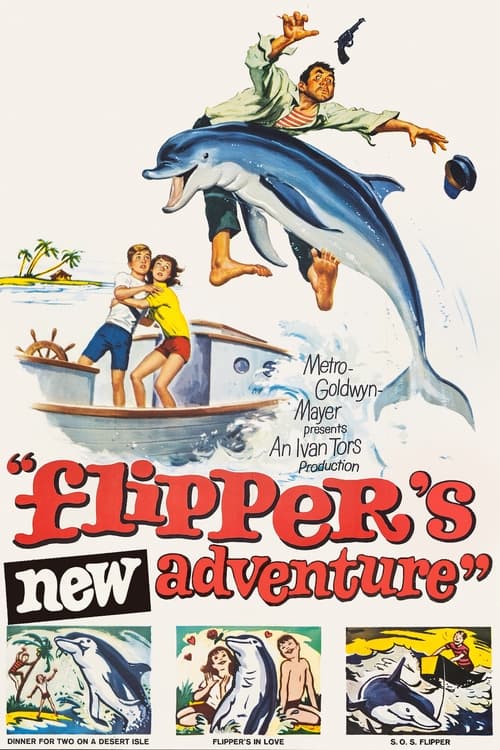
1964
1962

1946
1969
1946
No reviews yet. Be the first to share your thoughts on this movie!
Use the rating form above to leave a star rating and optional review.