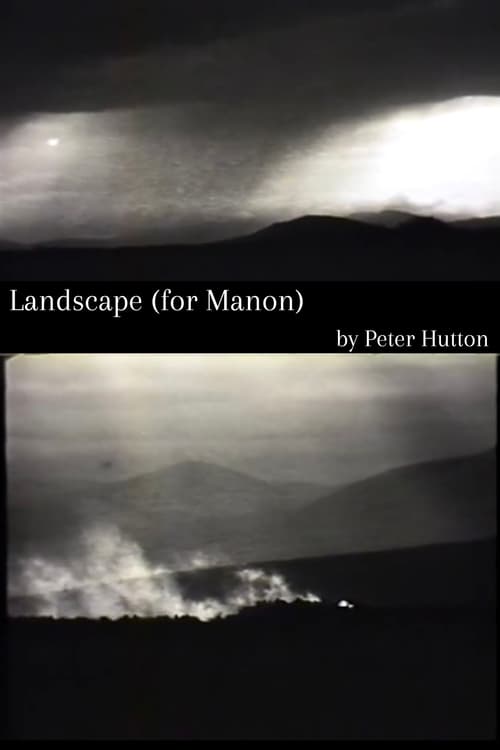
Landscape (for Manon)
1987
No user ratings available yet
Representation score: 0.0 out of 10

Representation Score
Minimal
2013
Director
Peter Hutton
Runtime
49 minutes
Average Rating
No ratings yetNew Showbiz Analysis
Three Landscapes is a formalist, avant-garde study that emphasizes the rhythm of geography over social representation. As a silent, non-narrative documentary, it lacks the character-driven structure needed to explore identity, ability to act, or interpersonal power dynamics. The film functions as a neutral aesthetic study of the relationship between human industry and the natural world. By avoiding harmful stereotypes through its omission of character-based conflict, it also misses the multi-layered complexity necessary for a higher diversity score. Ultimately, the work operates outside traditional frameworks of identity politics, focusing instead on the symbolic treatment of space and the passage of time through 16mm film.
Category Breakdown
Since the film focuses on environmental landscapes and human movement, there are no depictions of LGBTQ+ narratives, romantic pairings, or gender identities.
Without dialogue and as a non-narrative work, the film does not engage with gender hierarchies or provide any depictions of masculinity or femininity.
Including the Dallol Depression in Ethiopia introduces a non-Western landscape, challenging an Anglo-centric focus. However, the film lacks specific portrayals of people or cultural ability to act.
The film contrasts industrial decay in Detroit with primordial Ethiopian landscapes, offering a contemplative alternative to fast-paced Western media narratives.
The film does not include characters or individuals that represent physical or neurodivergent experiences.
Present on Screen
Limited or Absent
Official Synopsis
Shot on 16mm, this wondrous silent film study from avant-garde master Peter Hutton (At Sea) observes human movement across three distinct landscapes: Detroit, along the Hudson River Valley and in the Dallol Depression in Ethiopia.
1987
1983
2009
1929
2004
2013
1975

2011
No reviews yet. Be the first to share your thoughts on this movie!
Use the rating form above to leave a star rating and optional review.