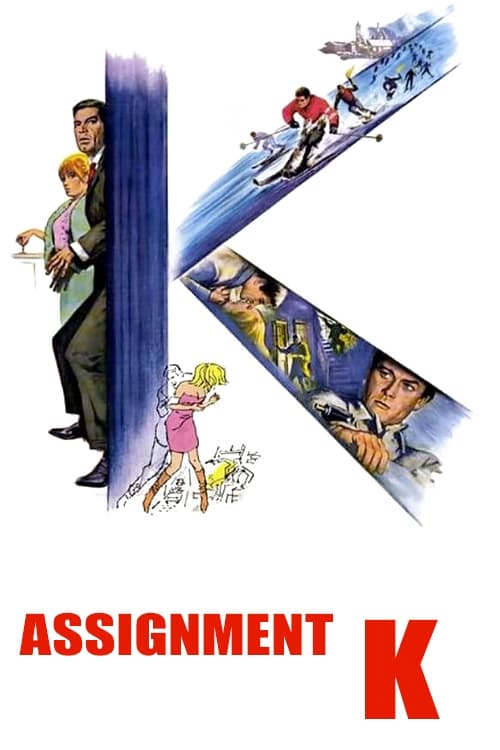
Assignment K
1968
No user ratings available yet
Representation score: 0.4 out of 10

Representation Score
Minimal
1966
Director
Alberto De Martino
Runtime
103 minutes
Average Rating
No ratings yetNew Showbiz Analysis
The film is a classic example of the 1960s Eurospy genre, emphasizing style and escapism over social commentary. It reinforces traditional gender roles, racial homogeneity, and the dominance of Western institutions. The narrative centers on established clichés of mid-century masculinity, focusing on the hero's ingenuity rather than exploring complex social issues. It reflects the era's preference for Western-centric heroism and traditional social structures. Ultimately, the film serves as a conservative exploration of genre conventions, highlighting the era's emphasis on Western-centric values.
Category Breakdown
The film follows the typical assumptions of the 1960s espionage genre, where everyone is assumed to be straight and cisgender. There are no representations of LGBTQ+ identities or same-sex relationships.
Female characters mainly serve as romantic interests or plot catalysts. They play important roles in the espionage setting but do not have the power to drive the main storyline.
The casting is primarily made up of white European and American actors. The film portrays a homogeneous image of the international elite, which was common in mid-century action movies.
The story focuses on Western-centric adventure themes and the protection of Western technology. It highlights the resourcefulness of the Western protagonist.
There is no focus on neurodivergence or physical disabilities. Characters are shown as having idealized physical abilities.
Present on Screen
Limited or Absent
Official Synopsis
Paul Hubsschmid is Paul Finney aka Upperseven, master of disguise. He's out to stop a diamond smuggling operation which fronts for a missile building project.
1968

1968
1976
1964

1961

1948

1967
1965
No reviews yet. Be the first to share your thoughts on this movie!
Use the rating form above to leave a star rating and optional review.