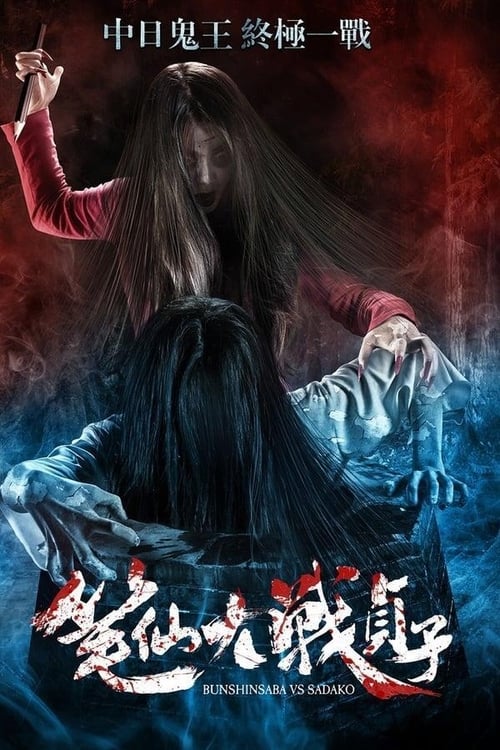
Bunshinsaba vs Sadako
2016
No user ratings available yet
Representation score: 4.7 out of 10
Representation Score
Fair
2021
Director
River Huang
Runtime
78 minutes
Average Rating
No ratings yetNew Showbiz Analysis
The film expands the scope of the horror genre by integrating Southeast Asian and East Asian folklore. By focusing on the Kuman Thong and the BiXian, it moves away from Anglo-centric storytelling clichés. While the film offers a culturally rich backdrop, it still lacks representation in other areas. There are no clear LGBTQ+ themes or specific neurodivergent characters driving the narrative. Overall, the work stands out by moving away from traditional Western supernatural clichés, opting for a complex, multi-cultural mythological framework.
Category Breakdown
The film does not include explicit LGBTQ+ characters or stories about non-straight identities. The plot revolves around supernatural elements and relationships between family members and friends.
Yu Mei is a central female character who deals with psychological pressures and the shadow of her successful sister. This gives her a meaningful, character-driven role focused on her actions and decisions.
The film breaks away from Western horror conventions by incorporating Thai folklore, particularly the Kuman Thong. This inclusion brings diverse, non-Western mythological perspectives to the forefront.
The movie emphasizes spiritual logic rather than Western religious frameworks, featuring entities like the BiXian and Sadako. It explores complex morality through accidental blood sacrifices and supernatural consequences.
The story touches on mental health issues through a failed suicide attempt. However, it is unclear whether this provides genuine representation or simply serves as a plot device.
Present on Screen
Limited or Absent
Official Synopsis
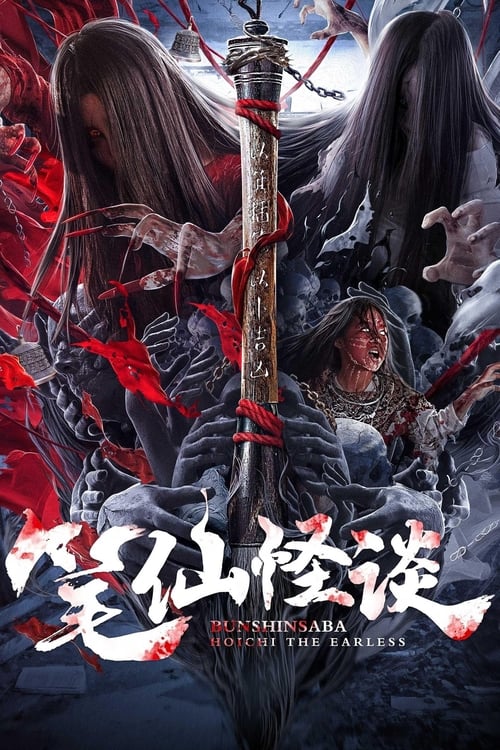
Yu Mei is feeling the pressure of living under the shadow of her more successful sister. After a failed suicide attempt, she finds an abandoned statue on the street and takes it home. When she discovers it is a Kuman Thong, she accidentally makes a blood sacrifice to it, unleashing the Jaroona spirit. After the death of a few of her close friends, she enlists the help of some goofy ghost hunters to suppress the spirit, who realise they are out of their depth. They then call the BiXian for assistance, but even she isn't enough to stop the Jaroona. As a final resort, they call upon the BiXian's arch nemesis - Sadako. Now BiXian and Sadako have to put aside their differences and work together to defeat Jaroona and save You Mei.
2016
2007
2023
2000
2016
2020
2002
2019
No reviews yet. Be the first to share your thoughts on this movie!
Use the rating form above to leave a star rating and optional review.