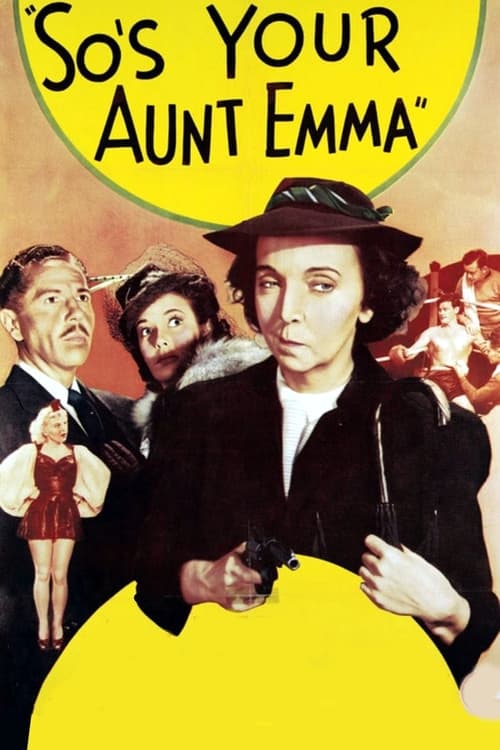
So's Your Aunt Emma!
1942
No user ratings available yet
Representation score: 1.4 out of 10
Representation Score
Limited
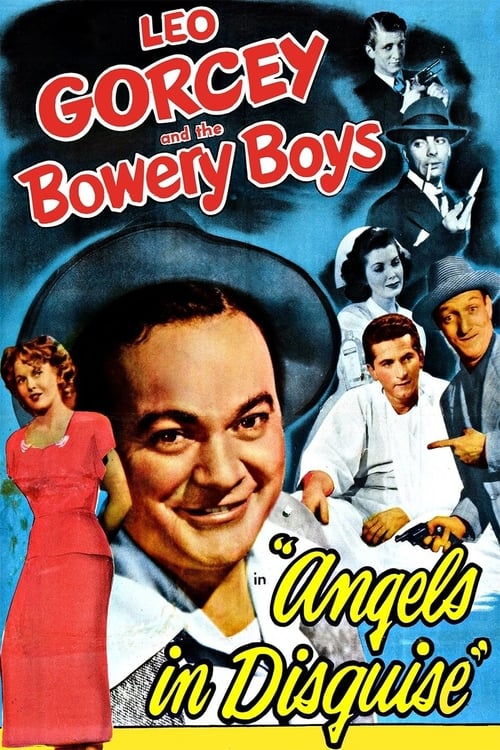
1949
PassedDirector
Jean Yarbrough
Runtime
63 minutes
Average Rating
No ratings yetNew Showbiz Analysis
Angels in Disguise is a product of the late-1940s studio system, functioning as a standard crime comedy. It operates within the restrictive regulatory environment of its time, prioritizing lighthearted genre clichés over social disruption. The film lacks intentionality regarding diverse representation. It centers on a predominantly white cast and follows the conventional social hierarchies and demographic norms characteristic of mid-century Hollywood filmmaking.
Category Breakdown
The film adheres to the strict heterosexual standards of the late 1940s. Due to the era's censorship, there is no evidence of LGBTQ+ identities or non-straight relationships.
The narrative likely follows traditional gender roles common in period comedies. Women may have some active roles, but they primarily occupy supporting or domestic roles.
The production reflects the homogeneous casting norms of 1949. There is no documented evidence of non-white characters or diverse racial representation.
The story focuses on crime-solving and restoring social order, aligning with traditional values regarding law and authority. It does not challenge existing institutional structures.
There is no indication that disability or neurodivergence serves as a central narrative element. Such depictions were rarely used for character development during this era.
Present on Screen
Limited or Absent
Official Synopsis
Slip and the gang stray from newspaper work to detective work.
1942
1947
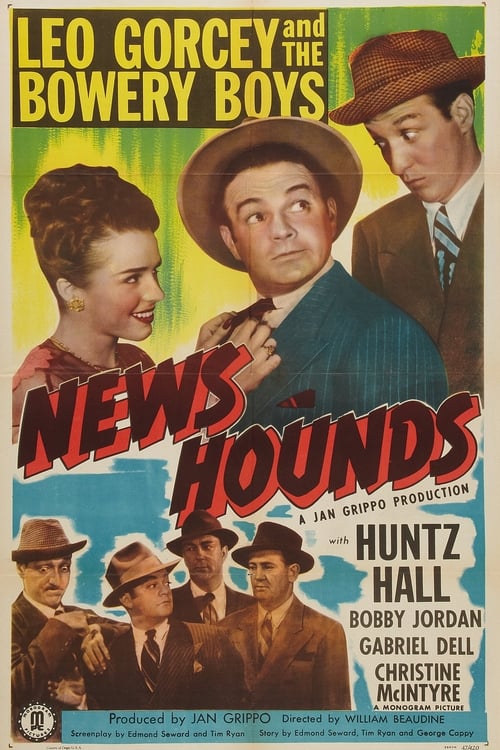
1947
1978
1941
1944
1946

1948
No reviews yet. Be the first to share your thoughts on this movie!
Use the rating form above to leave a star rating and optional review.