
Olsen Gang Junior
2001
No user ratings available yet
Diversity score: 2.6 out of 10
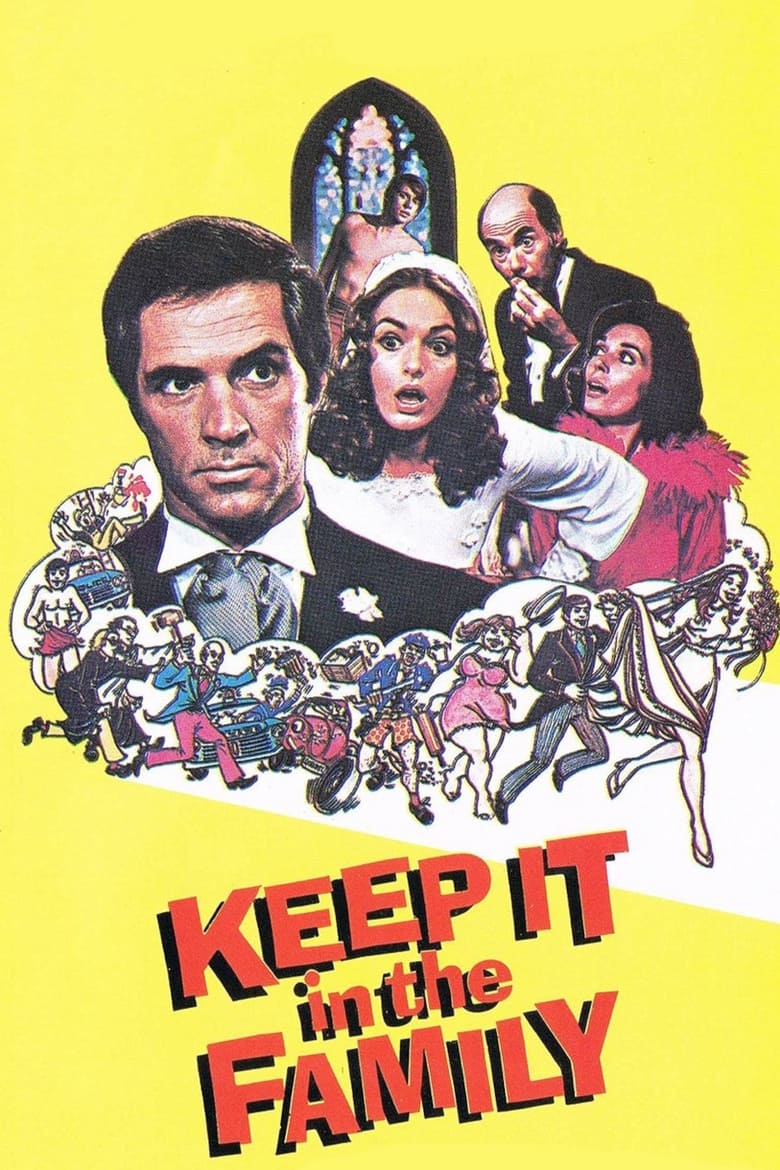
1973
PGDirector
Larry Kent
Runtime
91 minutes
Average Rating
No ratings yetSynopsis
Two bratty lovers decide to pull the old screw-and-switch on their difficult parents.
Overall Score
Limited
Category Breakdown
LGBTQ+ Representation
The film lacks any evidence of non-heteronormative identities or same-sex intimacy. The romantic pairing mentioned appears to follow conventional 1970s heteronormative standards.
Gender Representation
The story focuses on a power struggle between children and parents. While the protagonists challenge traditional submissive roles, the film does not deconstruct broader gender hierarchies.
Racial & Ethnic Diversity
The narrative appears to follow the homogeneous casting patterns common in mid-century domestic comedies. There is no evidence of diverse casting or race-bending.
Religious & Cultural Diversity
The film explores domestic dysfunction and a lack of respect for parental authority. It avoids idealized family units but lacks a systemic critique of Western institutions.
Disability Representation
No characters with visible or invisible disabilities are identified. The narrative does not address disability or accessibility.
Strengths
Areas for Improvement
AI Analysis
Keep It in the Family is a standard 1970s domestic comedy centered on generational conflict. The plot follows two protagonists using deception to manipulate their difficult parents, focusing on interpersonal friction rather than social identity. The film adheres to the conventional genre tropes of its era. It lacks the narrative complexity needed to engage with progressive social frameworks or intersectional representation, functioning instead as a simple character-driven comedy. Ultimately, the work prioritizes comedic timing and familial mischief over any meaningful exploration of diverse identities or systemic social critiques.
2001
1967
1999

1970
1960
1994

1962
1992
1930
2000

1966
2019
No reviews yet. Be the first to share your thoughts on this movie!
Use the rating form above to leave a star rating and optional review.