Boys Will Be Boys
1999
No user ratings available yet
Representation score: 0.7 out of 10
Representation Score
Minimal
2000
GDirector
Ralph E. Portillo
Runtime
0 minutes
Average Rating
No ratings yetNew Showbiz Analysis
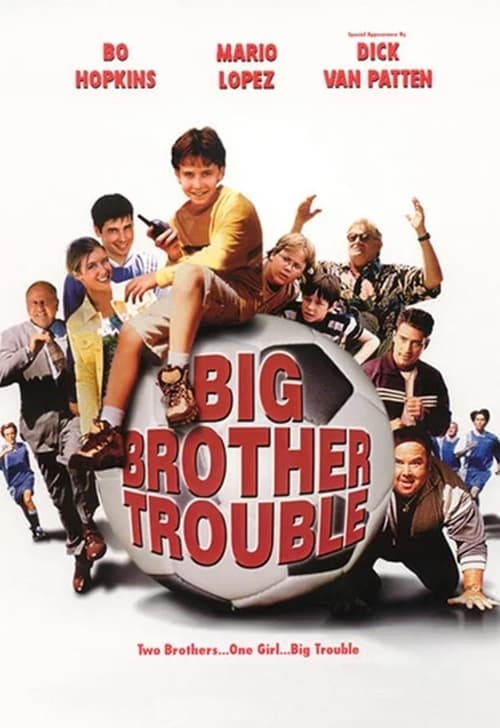
Big Brother Trouble follows a standard family comedy formula centered on sibling rivalry. The plot revolves around two brothers competing for the attention of a female neighbor, adhering to conventional romantic clichés. The narrative lacks complexity in terms of diverse identities, whether regarding race, disability, or LGBTQ+ representation. The film focuses on localized domestic conflict and promotes traditional social hierarchies.
Category Breakdown
The film focuses on a traditional romantic rivalry between two brothers. There is no evidence of LGBTQ+ identities or same-sex intimacy within the narrative.
The plot centers on a competitive dynamic between male characters. While a female neighbor drives the conflict, it is unclear if she has significant control over the story.
The available information provides no details regarding the racial or ethnic composition of the cast. Consequently, the diversity of the setting remains unexamined.
As a G-rated family comedy, the film promotes conventional social morality. It focuses on localized domestic conflict rather than broader cultural critique.
There is no mention of physical disabilities, mental health themes, or neurodivergent traits. The narrative does not address any form of disability.
Present on Screen
Limited or Absent
Official Synopsis
Younger brother Mitch is having all kinds of problems competing with his older brother Sean over a girl that just moved in next door
1999
1991
2011
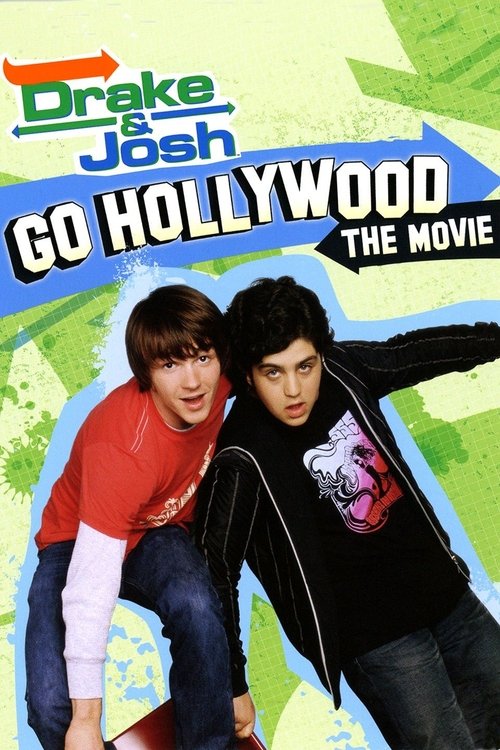
2006
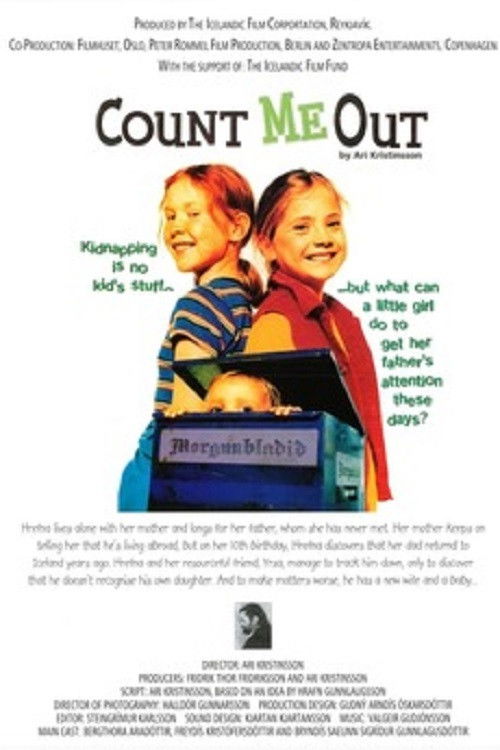
1997
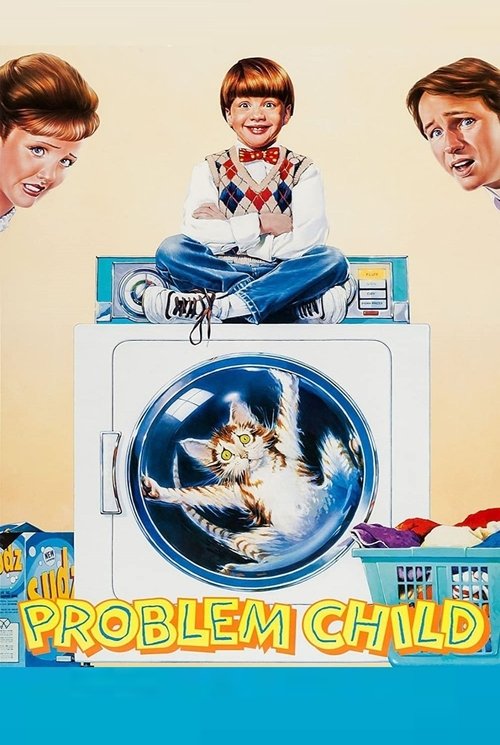
1990
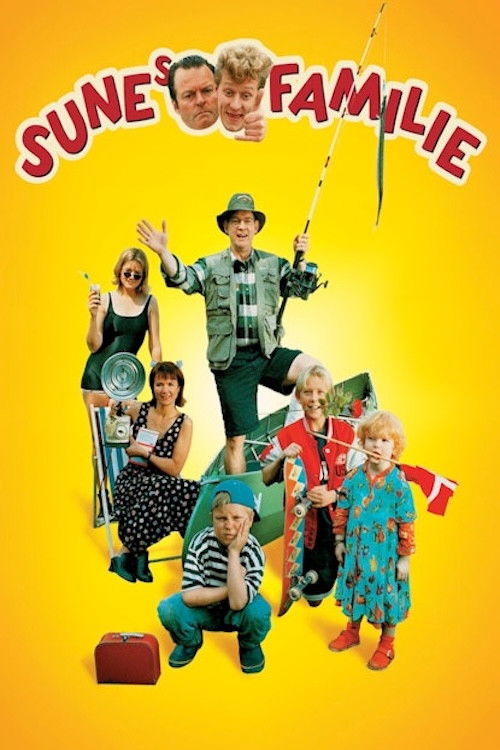
1997
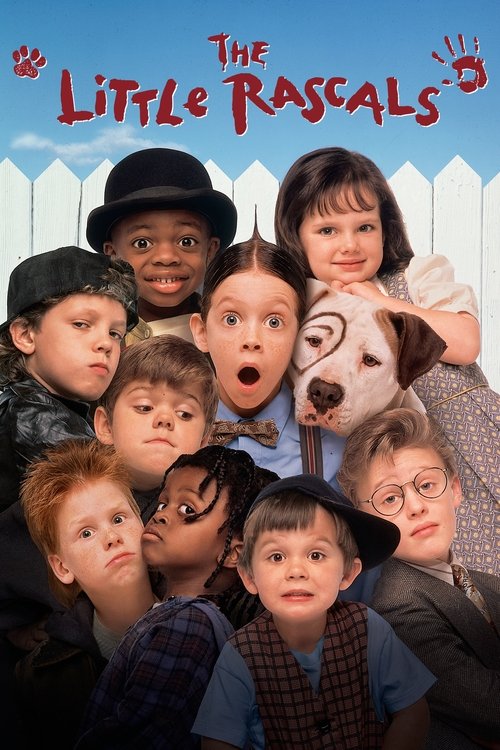
1994
No reviews yet. Be the first to share your thoughts on this movie!
Use the rating form above to leave a star rating and optional review.