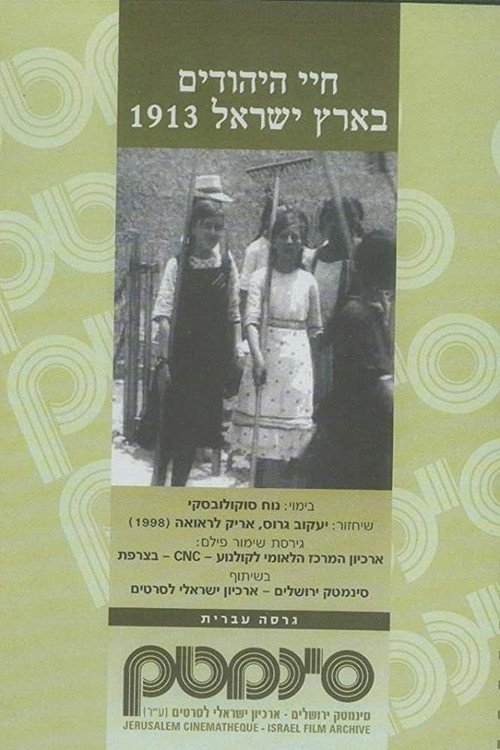
The Life of the Jews of Palestine
1913
No user ratings available yet
Representation score: 2.4 out of 10
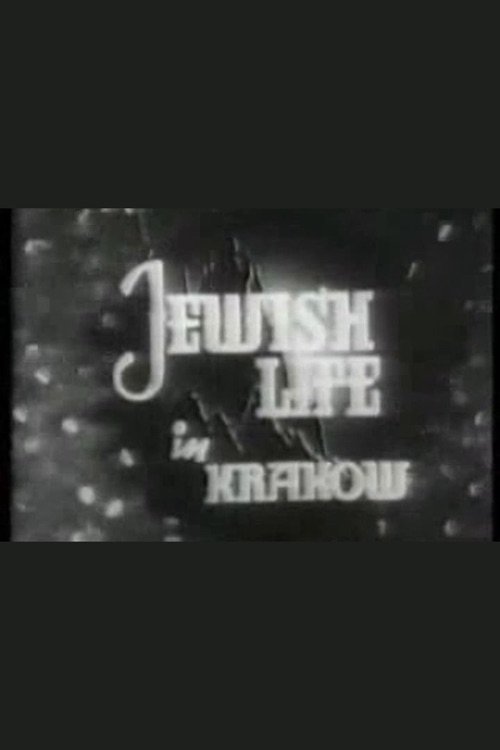
Representation Score
Limited
1939
Director
Yitzhak Goskind, Saul Goskind
Runtime
10 minutes
Average Rating
No ratings yetNew Showbiz Analysis
This documentary serves as a crucial ethnographic record of the Jewish community in Kraków just before major historical upheaval. It provides an observational window into a specific cultural ecosystem, emphasizing the vitality of religious and communal institutions. The film's strength lies in its focus on a non-Anglo-Saxon ethnic minority, offering a rich, non-secular perspective that challenges homogeneous depictions of European life. It also captures the institutional strength and vitality of a specific religious and cultural landscape. However, the film adheres to the social realities of 1939, reflecting traditional gender hierarchies and lacking representation of LGBTQ+ identities or disability, which are consistent with the historical and religious context of the era.
Category Breakdown
The film focuses on a traditional religious community in 1939 and does not include any non-assuming gender matches what was assigned at birth gender identities or same-sex narratives.
The film portrays traditional gender roles of the time, showing men in public and spiritual roles while women are mainly in domestic or community-support positions.
The documentary highlights a non-Anglo-Saxon ethnic minority, giving the Jewish quarter a prominent role and providing a detailed look at their cultural landscape.
The film offers a deep insight into a specific religious identity, providing a counter-narrative to the homogeneous depictions of European life common in mid-20th-century media.
The film does not feature any specific, identifiable depictions of individuals with disabilities as central narrative elements or plot devices.
Present on Screen
Limited or Absent
Official Synopsis
Focusing on Cracow's Jewish quarter, this film intermingles old and new, using music to enhance the images. Streetcars share tree-lined streets with horse-drawn carriages; people conduct business under umbrella-covered markets and arcaded market halls; parks and schoolyards host sports, games and animated discussions. Scenes of the famous Remu Synagogue and the Alte Shul, an orphanage, a hospital, the Jewish Community Council, and several schools convey the vitality of this age-old Jewish community.
1913

1927
1897
1934
1936
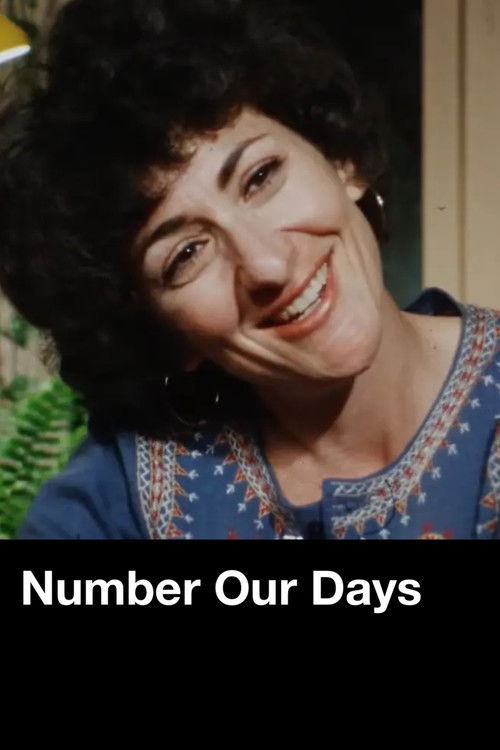
1976

2025

1948
No reviews yet. Be the first to share your thoughts on this movie!
Use the rating form above to leave a star rating and optional review.