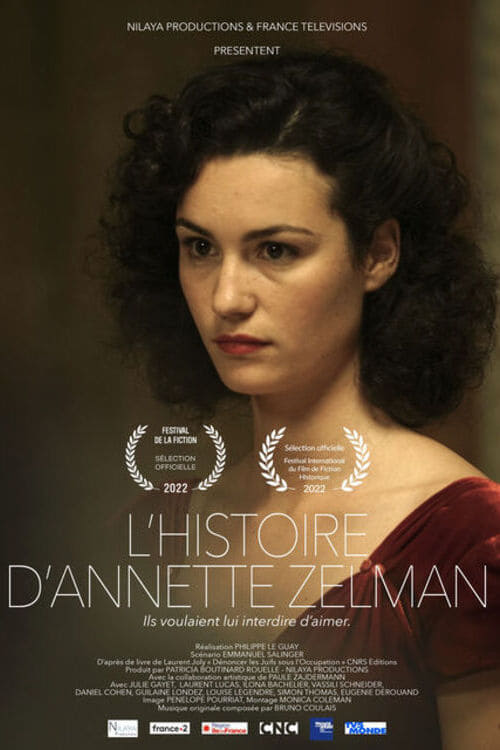
Story of Annette Zelman
2022
No user ratings available yet
Representation score: 6.2 out of 10
Representation Score
Fair
2007
Director
Gabriel Aghion
Runtime
90 minutes
Average Rating
No ratings yetNew Showbiz Analysis
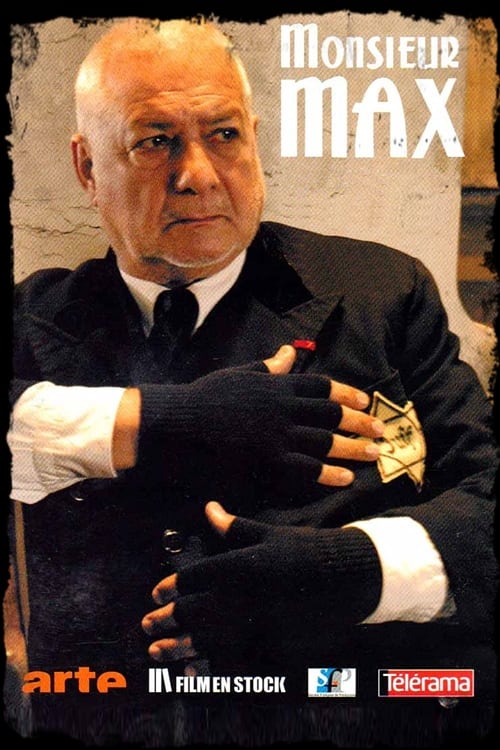
Monsieur Max is a nuanced character study that prioritizes individual identity over institutional norms. It centers a queer protagonist and explores the complexities of their non-conformist lifestyle, offering a strong critique of societal expectations regarding religious dogma and capitalist productivity. However, the film's impact is limited by a lack of racial diversity and the absence of characters with disabilities.
Category Breakdown
The film focuses on a homosexual protagonist, making their queer bohemian experience central to the character study rather than a secondary trait.
Masculinity is shown through irresponsibility and escapism, contrasting the protagonist's aimless nature with more structured female social roles. This challenges traditional patriarchal authority.
The cast is primarily white and French, reflecting the mid-century Parisian setting. However, the visual ensemble lacks significant racial or ethnic variety.
The story explores religious fluidity through a transition from Judaism to Catholicism and critiques capitalist labor structures and traditional Western institutions in favor of individual autonomy.
There is no evidence of characters with visible or invisible disabilities being portrayed with ability to act or serving as central plot devices.
Present on Screen
Limited or Absent
Official Synopsis
Portrait of a homosexual bohemian who converted from Judaism to Catholicism and was captured by the Gestapo in the 1940s.
2022
1997
2013
2007

2015

2022

2001
2006
No reviews yet. Be the first to share your thoughts on this movie!
Use the rating form above to leave a star rating and optional review.