
Story of Annette Zelman
2022
No user ratings available yet
Representation score: 6.2 out of 10
Representation Score
Fair
2006
Director
Jo Baier
Runtime
95 minutes
Average Rating
No ratings yetNew Showbiz Analysis
The film is a historical drama centered on the Jewish experience in Nazi Germany. It excels at portraying the struggle of a underrepresented ethnic group against a monolithic, oppressive state, providing a deep look at identity under threat. While the film offers a sophisticated critique of systemic corruption and institutional authority, it lacks explicit representation for LGBTQ+ identities. The narrative focus remains strictly on the survival of the Jewish family unit. Ultimately, the film succeeds as a study of survival and situational morality, though it does not engage with modern identity-politics clichés or disability representation.
Category Breakdown
The film focuses on the survival of a Jewish family during the Third Reich. There is no explicit evidence of queer character arcs or non-assuming gender matches what was assigned at birth depictions within the primary narrative.
The narrative places a significant burden of responsibility on the mother. She must navigate the logistical and emotional complexities of maintaining a hidden existence through maternal resilience.
The story serves as a profound exploration of the Jewish experience under threat. It highlights the struggle of a underrepresented ethnic group facing erasure by oppressive structures.
The film deconstructs traditional Western institutions by portraying the state as predatory. It frames illegal acts, like using forged papers, as necessary tools for survival.
There is no explicit evidence regarding the portrayal of physical or neurodivergent disabilities in this work.
Present on Screen
Limited or Absent
Official Synopsis
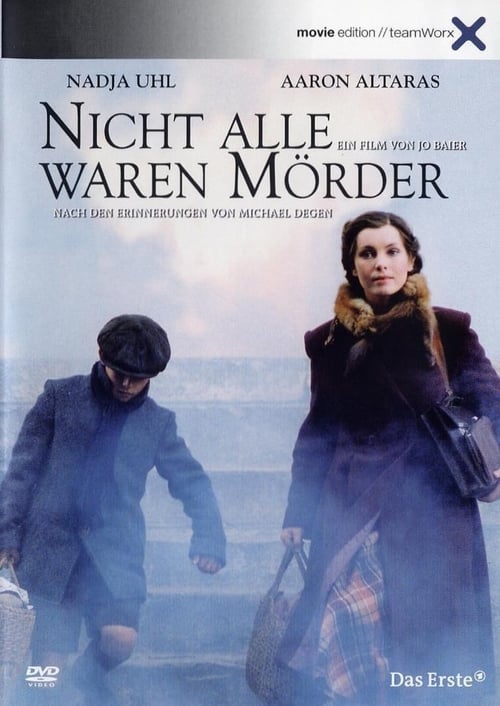
Based on the childhood memories of actor Michael Degen, the movie deals with the everyday struggle to survive as a Jewish boy in Nazi Germany. As his father had died in 1940 after being released from the Sachsenhausen concentration camp, Michael and his mother fear to be deported themselves. They manage to live in Berlin with false names and faked papers, hidden by several, often broken, people...
2022

2014

1986
2015

2007

1959

1993
1997
No reviews yet. Be the first to share your thoughts on this movie!
Use the rating form above to leave a star rating and optional review.