
The Nile Hilton Incident
2017
No user ratings available yet
Representation score: 5.9 out of 10
Representation Score
Good
2014
Director
Kaouther Ben Hania
Runtime
90 minutes
Average Rating
No ratings yetNew Showbiz Analysis
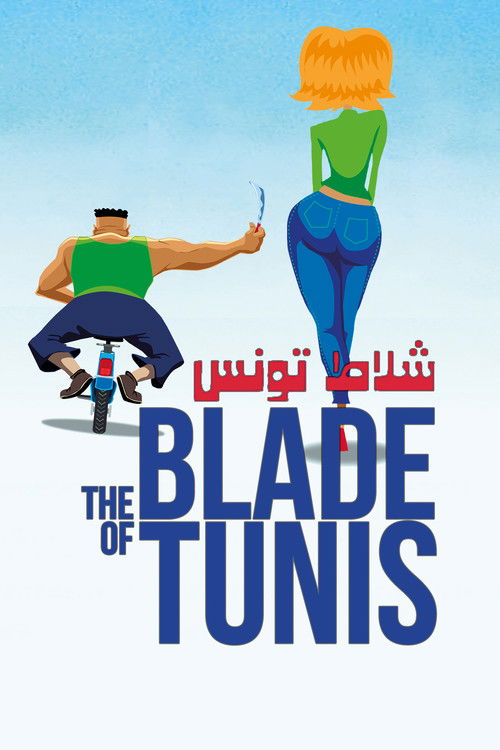
The Blade of Tunis is a sophisticated social inquiry that uses a mystery format to deconstruct systemic pressures. By centering a female protagonist, the film challenges conventional roles of the investigator and protector. The film excels in its cultural depth, moving beyond simple crime clichés to explore the sociopolitical instability of the Arab Spring. It provides a necessary North African perspective that avoids colonialist storytelling patterns. While the film lacks explicit LGBTQ+ characterization, its focus on gendered vulnerability and institutional corruption provides a rich landscape for examining identity and power.
Category Breakdown
The film focuses on gendered power dynamics without explicitly detailing specific non-straight identities. It explores how traditional social orders are disrupted.
The film centers on a female director who drives the investigation, challenging traditional hierarchies by placing her at the forefront of solving a societal mystery.
Set in Tunisia, the film provides a non-Western perspective that avoids Anglo-centric clichés. It offers a nuanced look at North African social dynamics during a period of transition.
The story looks at the intersection of crime, politics, and religious fanaticism, questioning if the central mystery is a symptom of corrupt institutional forces. It critiques traditional power structures.
The narrative does not include characters dealing with physical or neurodivergent disabilities.
Present on Screen
Limited or Absent
Official Synopsis
Tunisia, before the revolution. A man on a motorbike, razor blade in hand, prowls the streets of Tunis slashing women's buttocks. They call him The Challat, aka "The Blade", and the mere mention of his name provokes fascination and terror. Is he a lone criminal, an urban legend, or could he be the creation of a political group or religious fanatics? 10 years later, in the aftermath of the Arab Spring, a stubborn young female director sets out on an investigation to unravel the mystery and discover the true Challat of Tunis...
2017
2023

2017

2019
2015
2026
2021

2017
No reviews yet. Be the first to share your thoughts on this movie!
Use the rating form above to leave a star rating and optional review.