
Deepwater
2005
No user ratings available yet
Representation score: 0.6 out of 10
Representation Score
Good
2022
NRDirector
Park Chan-wook
Runtime
139 minutes
Average Rating
No ratings yetNew Showbiz Analysis
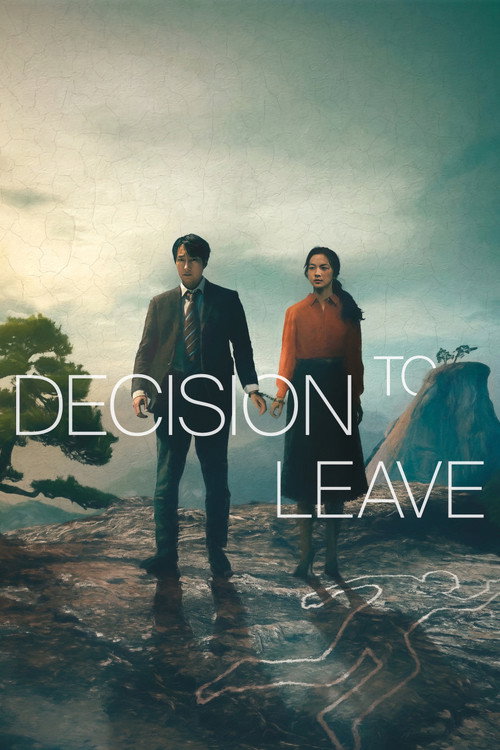
Park Chan-wook creates a sophisticated deconstruction of genre clichés, focusing on psychological depth over traditional archetypes. The film excels in subverting gender power dynamics and embraces a postmodern, subjective narrative structure. While the film lacks explicit representation of LGBTQ+ or disability themes, it shines in its cultural specificity. By centering a South Korean perspective, it avoids the typical Western-centric lens found in many global thrillers. The film's strength lies in its refusal to follow heroic law enforcement clichés. Instead, it delves into the breakdown of professional authority through complex, non-traditional emotional landscapes.
Category Breakdown
The film focuses solely on heterosexual relationships. There are no visible LGBTQ+ characters or non-cisgender identities in the main story.
The movie challenges traditional gender roles by taking away the male detective's professional power. Seo-rae breaks the stereotype of the femme fatale by influencing the detective intellectually and psychologically.
Set in South Korea, the film presents a non-Western perspective. Although the cast is mostly uniform, it avoids the Western norm by showcasing a South Korean procedural as the standard.
The story emphasizes personal emotional truth over strict institutional rules. It explores moral relativism, where personal connections and obsessions outweigh legal ethics and societal norms.
There are no prominent portrayals of physical or neurodivergent disabilities. Psychological distress is framed through romantic obsession rather than as an exploration of mental health.
Present on Screen
Limited or Absent
Official Synopsis
From a mountain peak in South Korea, a man plummets to his death. Did he jump, or was he pushed? When detective Hae-joon arrives on the scene, he begins to suspect the dead man’s wife Seo-rae. But as he digs deeper into the investigation, he finds himself trapped in a web of deception and desire.
2005

2008

2001

2019

2018

2017
2007

2001
No reviews yet. Be the first to share your thoughts on this movie!
Use the rating form above to leave a star rating and optional review.