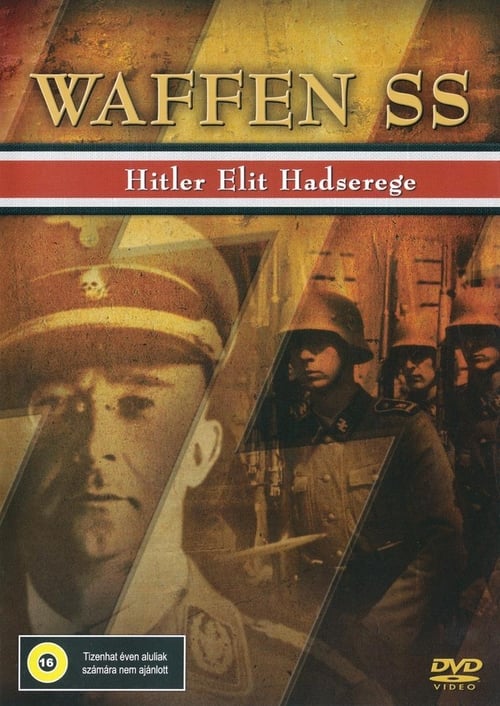
Waffen SS: Hitler's Elite Fighting Force
1990
No user ratings available yet
Representation score: 0.3 out of 10
Representation Score
Limited
1973
Director
Lutz Becker
Runtime
93 minutes
Average Rating
No ratings yetNew Showbiz Analysis
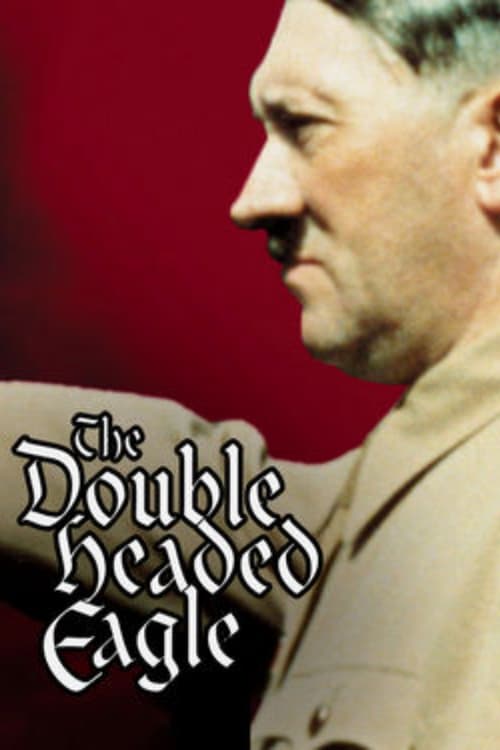
This documentary serves as a neutral observer of the Nazi party's rise between 1918 and 1933. Since it relies on archival newsreels, the film functions as a repository of historical reality rather than a vehicle for progressive storytelling. The low diversity scores reflect the era's active dismantling of diversity and reinforcement of rigid hierarchies. The work captures the systemic exclusion of various identities inherent to the period, providing a necessary historical perspective without attempting to challenge exclusionary social structures.
Category Breakdown
The film documents a time when non-straight identities faced significant suppression. There is no indication of intentional LGBTQ+ ability to act in the historical footage.
The documentary highlights masculine power structures and male political leadership. Women are typically shown in domestic or secondary roles, reinforcing traditional hierarchies.
The content reflects an era marked by intense nationalism and exclusionary racial views. The footage is limited by the homogeneous racial ideologies prevalent in early 20th-century Germany.
The narrative explores the collapse of Western institutions and the rise of radical politics. It focuses on historical mechanisms rather than contemporary critiques of religion or secularism.
There is no evidence of intentional disability representation. Historical archives from this era often depict individuals with disabilities as subjects of medical scrutiny rather than agents with ability to act.
Present on Screen
Limited or Absent
Official Synopsis
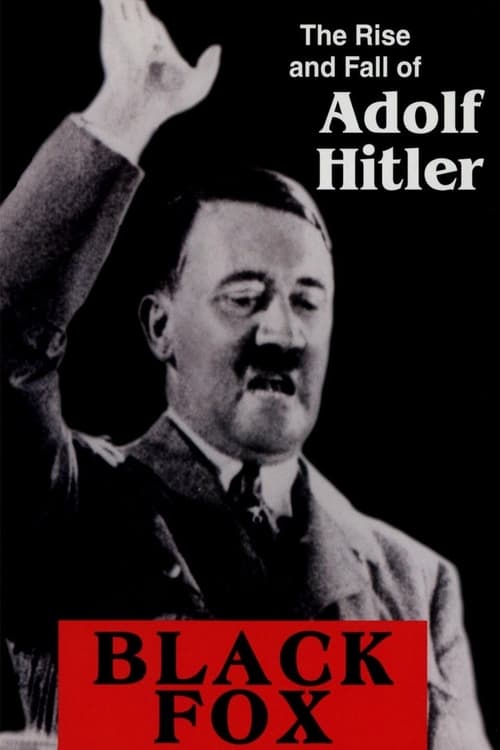
Presents a unique and disturbing look at the rise of the Nazi party. The documentary, directed by Lutz Becker, attempts to remain as objective as possible, serving as a neutral observer of the years 1918 through 1933 in Germany. Via newsreel footage and clips of features from the era, the film offers a kaleidoscopic view of the many elements that fueled the rise of the Socialist Nationalist Party, including post-WWI poverty. Hitler occupies a central place in the documentary.
1990

1935
2014

1945
1961
1994
1962

2011
No reviews yet. Be the first to share your thoughts on this movie!
Use the rating form above to leave a star rating and optional review.