
Ring 0
2000
No user ratings available yet
Representation score: 5.0 out of 10
Representation Score
Minimal
2025
Director
Jirô Nagae
Runtime
82 minutes
Average Rating
No ratings yetNew Showbiz Analysis
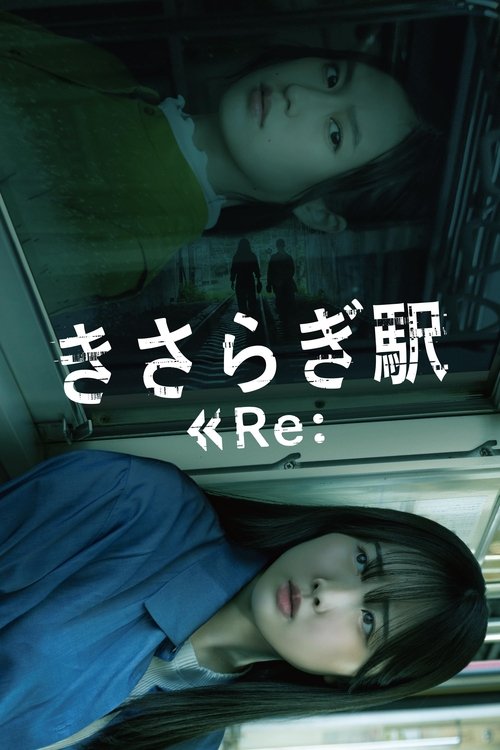
Kisaragi Station Re: opens on a snow-dusted suburban street, where the camera lingers on mundane Japanese residential details to establish a tone of stillness and isolation. This quiet framing sets up the film’s central argument: that survival in the supernatural is ultimately a personal, psychological endeavor rather than a communal or institutional one. Asuka Miyazaki, played by Miyu Honda, returns from the otherworldly Kisaragi Station three years ago, yet she remains visually and socially isolated, looking as if she belongs to the past. This visual dissonance—her unchanged appearance against a changing world—becomes the film’s primary metaphor for trauma and memory. The film’s sold meaning is that human connection and self-reflection are the only viable responses to existential horror. Asuka’s decision to re-enter the station to save Haruna Tsutsumi, played by Yuri Tsunematsu, underscores this thesis. The narrative does not rely on external heroes or institutional salvation; instead, it places the burden of rescue squarely on the shoulders of the protagonist. The camera favors Asuka, framing her in soft, natural light that emphasizes her internal state over external action. This visual choice reinforces the film’s argument that true competence is emotional and internal, not physical or hierarchical. The ending resolves with a moment of quiet ambiguity, rewarding patience over spectacle. There is no violent climax or moral sermon; instead, the film closes on a small, personal gesture that leaves the audience to interpret the weight of Asuka’s choices. This restraint is the film’s moral verdict: that in the face of the unknown, the most radical act is to remain present and engaged with others. The film’s internal logic holds together, as the supernatural elements serve the character development rather than the other way around. The last image, a lingering shot of the suburban street now empty, suggests that the horror has not been defeated but merely contained, leaving the community to live with the memory of what was lost.
Category Breakdown
No queer intimacy or identity appears. The narrative centers on heterosexual peer dynamics and supernatural survival, leaving no room for non-binary framing.
Miyu Honda anchors the film as the competent protagonist driving the rescue. Female leads hold the moral center, while male characters serve as supporting peers rather than authority figures.
The cast is exclusively Japanese, reflecting the domestic setting. No racial diversity, colonial critique, or cross-cultural dynamics are depicted or implied in the narrative.
Japanese suburban life and urban legend tropes form the normal backdrop. Traditional family structures appear as background context, but the narrative prioritizes individual psychological survival over communal identity.
No characters present with physical, mental, or neurodivergent impairments. The horror stems from supernatural displacement and temporal distortion, not bodily difference or institutional exclusion.
Present on Screen
Limited or Absent
Official Synopsis
Asuka Miyazaki miraculously returned from the mysterious, otherworldly “Kisaragi Station” three years ago. Yet, she still looks as if she’s from twenty years in the past, drawing suspicion and isolation. When she meets a determined documentary director, she resolves to save Haruna Tsutsumi—who once risked her life for her—and others still trapped there. Boarding the train again, Asuka reunites with Haruna, unchanged from three years before, and steps back into Kisaragi Station.
2000

2023

2006

2003

2009
2026

2019

2022
No reviews yet. Be the first to share your thoughts on this movie!
Use the rating form above to leave a star rating and optional review.