Bass Ackwards
2010
No user ratings available yet
Representation score: 2.2 out of 10
Representation Score
Limited
1981
RDirector
Geoff Murphy
Runtime
105 minutes
Average Rating
No ratings yetNew Showbiz Analysis
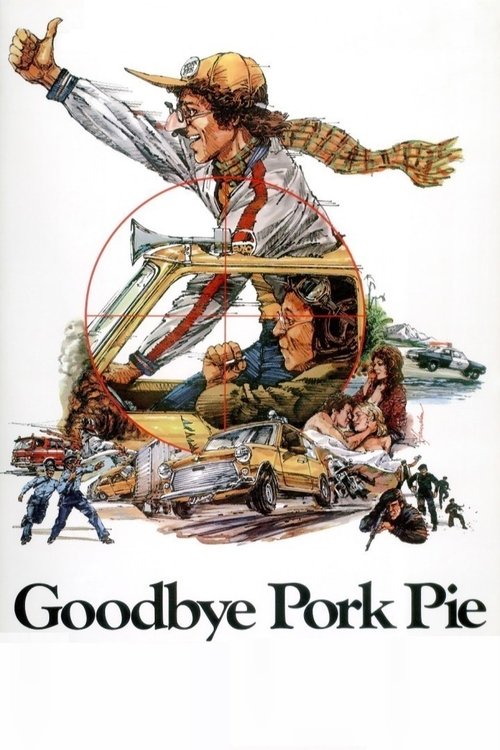
Goodbye Pork Pie is a classic genre-driven road movie that prioritizes energy and rebellion over diverse representation. Its identity is tied to the era's cinematic norms, focusing on a narrow social perspective that lacks multi-layered depth. The film's strength lies in its spirit of non-conformity. By pitting its protagonists against institutional authority, it offers a light-hearted critique of state control and celebrates individual freedom through an outlaw lens. However, the production falls short in representation. The cast is largely homogeneous, and the narrative structure centers almost exclusively on traditional male experiences, leaving little room for diverse voices or perspectives.
Category Breakdown
The story focuses on the friendship between two men without any queer undertones or non-cisgender identities. It follows the heterosexual norms of the time, sticking to the conventions of 1981.
The narrative centers around male characters, with women playing minor roles. A wife's departure sets off the plot, but female characters have limited influence and traditional gender roles go unchallenged.
The film features a mostly white cast, reflecting the demographics of New Zealand in the early 1980s. It lacks diverse characters and multi-layered casting to enrich the storyline.
The film celebrates anti-authoritarianism by framing police evasion as a humorous adventure. It emphasizes individual freedom and non-conformity, while downplaying respect for state institutions and social order.
There are no characters with visible or invisible disabilities. Disability is neither a central theme nor a character-driven element in this production.
Present on Screen
Limited or Absent
Official Synopsis
Gerry hires a car in Kaitaia with a stolen licence and travels to Invercargill with John, whose wife has just left him. The ultimate New Zealand road trip adventure.
2010

1964
2026

1990

1989
2012

2002
2004
No reviews yet. Be the first to share your thoughts on this movie!
Use the rating form above to leave a star rating and optional review.