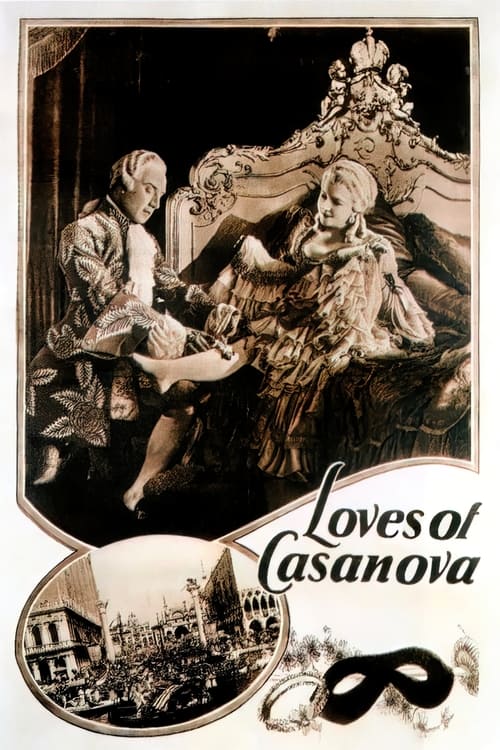
Loves of Casanova
1927
No user ratings available yet
Representation score: 0.5 out of 10

Representation Score
Fair
1929
Director
Richard Oswald
Runtime
59 minutes
Average Rating
No ratings yetNew Showbiz Analysis
Cagliostro (1929) is a period drama that questions traditional historical stories by putting an outsider at the center of a highly ranked society. By looking at an infamous figure in a sympathetic way, the film challenges the usual moral order. The film's strength lies in its mysterious 'outsider' character and its criticism of the aristocracy's decadence. It fits well with a modern tradition of movies that question authority figures. However, the film doesn't have clear markers of modern identity representation, especially for LGBTQ+ identities or disabilities, making its diversity more about the structure of the story than the characters themselves.
Category Breakdown
The film doesn't show any clear LGBTQ+ identities or stories. The main character deals with the social rules of the aristocracy.
A powerful noblewoman plays a key role in the protagonist's downfall. Even though the roles might follow old traditions, having a strong female character challenges the usual male-dominated stories.
The main character is Italian and lives among the French nobility. This mix of cultures adds variety to the story, breaking the uniform French setting.
The story criticizes the excesses of the French aristocracy by showing them as decadent. It favors personal and mystical beliefs over official church teachings.
There is no mention of any characters with physical or mental disabilities in the film.
Present on Screen
Limited or Absent
Official Synopsis
Paris, France, 1784. After living many tribulations, Joseph Balsamo, known as Count Cagliostro, an infamous adventurer, enigmatic magician and necromancer, experienced physician and ruthless swordsman, triumphs among the members of the decadent French aristocracy. But a bold foretelling about a very prominent noblewoman causes his fall in disgrace… (Partially lost film.)
1927

1928
1934

1958
1955
1915
1974
1937
No reviews yet. Be the first to share your thoughts on this movie!
Use the rating form above to leave a star rating and optional review.