
Mi Vida Loca
1994
No user ratings available yet
Representation score: 9.6 out of 10

Representation Score
Excellent
1982
TV-MADirector
Eloy de la Iglesia
Runtime
99 minutes
Average Rating
No ratings yetNew Showbiz Analysis
Pals is a sophisticated exploration of the tension between individual identity and systemic structures in post-dictatorship Spain. It excels by centering queer desire and deconstructing traditional masculine archetypes, moving beyond simple social drama into complex identity-driven storytelling. The film uses the urban poor's exclusion to critique institutional corruption and the social contract. While it lacks racial diversity, its focus on class-based 'otherness' provides a powerful narrative of systemic oppression. Ultimately, the work succeeds as a subversive piece of cinema that prioritizes the lived experiences of underrepresented youth over conventional expectations.
Category Breakdown
The film centers on same-sex relationships and non-straight identities, making it a significant contribution to queer cinema. These elements are woven into the main characters' lives rather than being treated as side issues.
The film challenges traditional gender roles by highlighting male vulnerability and breaking down rigid masculine stereotypes. It explores the breakdown of these roles during a time of significant social change.
The story focuses on the socioeconomic struggles of working-class youth in Madrid. While it lacks significant racial diversity in the central cast, it offers a deep exploration of class-based exclusion.
The film critiques traditional Western institutions and social orders, presenting them as restrictive or corrupt. It portrays established social structures as oppressive through the lens of youth rebellion.
The film does not explicitly focus on physical or neurodivergent disabilities. The characters' struggles are primarily framed through the lens of class and identity rather than disability-specific issues.
Present on Screen
Limited or Absent
Official Synopsis
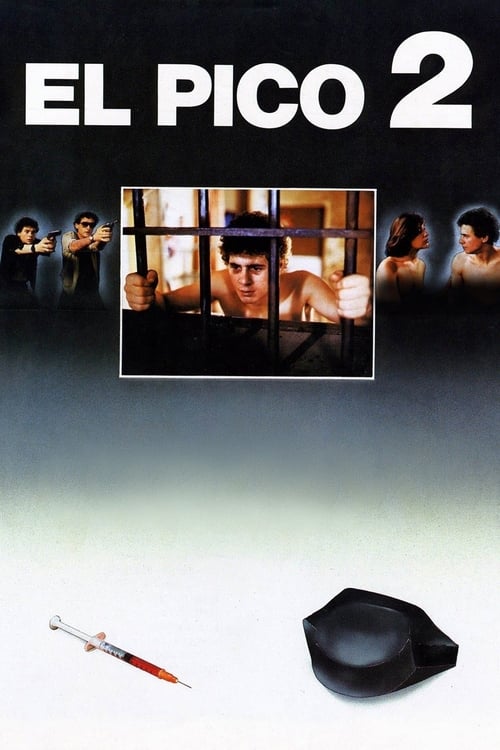
José is an unemployed 18-year-old living in a cramped apartment in the slums of Madrid. Marginalized by poverty, José spends his time with his friend Antonio. However, when José gets his girlfriend, Rosario, pregnant, the two friends try anything to get the money to pay for her to have an abortion.
1994

1988
1982

1980
1984
1970
2005
1989
No reviews yet. Be the first to share your thoughts on this movie!
Use the rating form above to leave a star rating and optional review.