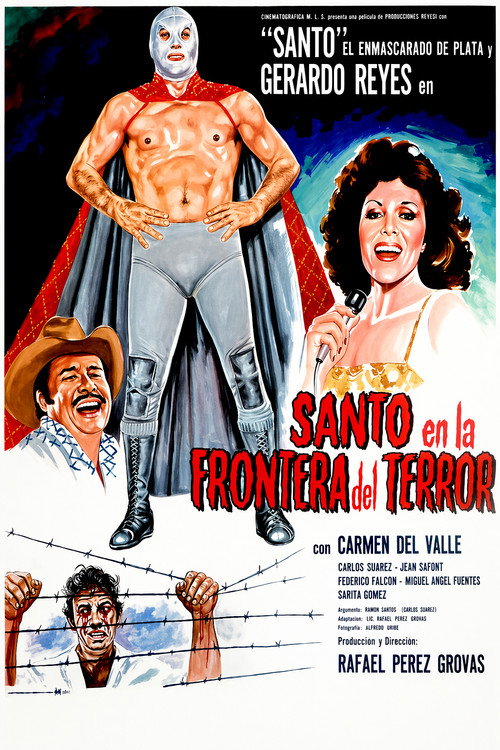
Santo and the Border of Terror
1981
No user ratings available yet
Representation score: 6.1 out of 10
Representation Score
Fair
1968
Director
Alfredo B. Crevenna
Runtime
87 minutes
Average Rating
No ratings yetNew Showbiz Analysis
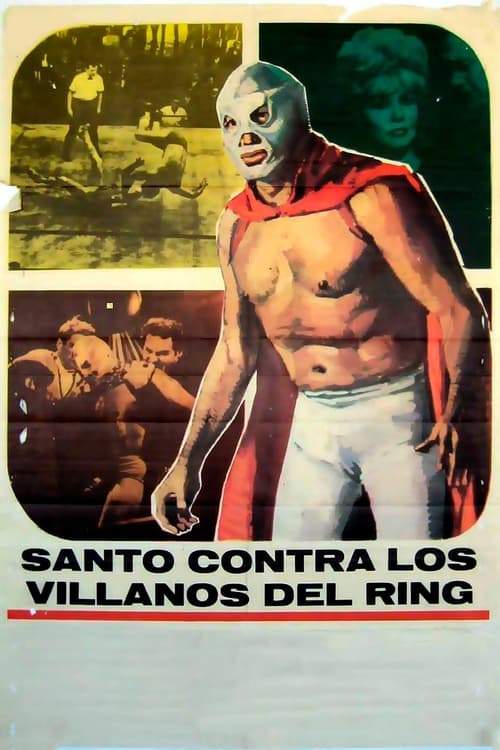
Santo vs. The Ring Villains (1968) is a genre-driven adventure that highlights cultural specificity. By featuring a Mexican folk hero, it provides a vital alternative to the Western hero archetypes prevalent in the late 1960s. However, the film adheres to the social hierarchies of its time. The narrative relies on traditional gender roles where the female protagonist needs male intervention to overcome her crisis. While the film offers strong ethnic representation, it lacks diversity in terms of LGBTQ+ identities, non-assuming gender matches what was assigned at birth characters, and disability inclusion.
Category Breakdown
The film follows traditional genre clichés from the 1960s and does not depict non-assuming gender matches what was assigned at birth identities or same-sex intimacy.
The female god-daughter drives the plot but primarily receives protection from the male hero, Santo, who resolves her crisis.
The film centers a non-Anglo-Saxon protagonist, offering a localized icon of justice that challenges Hollywood-centric hero archetypes.
The story critiques fraudulent spiritualists and protects private inheritance from predatory actors, focusing on local beliefs and institutions.
The film does not portray characters with visible or invisible disabilities having ability to act or central roles in the story.
Present on Screen
Limited or Absent
Official Synopsis
Santo fights a group of phony spiritualists who are trying to scam his god-daughter out of her 6 million peso inheritance.
1981
1975
1973
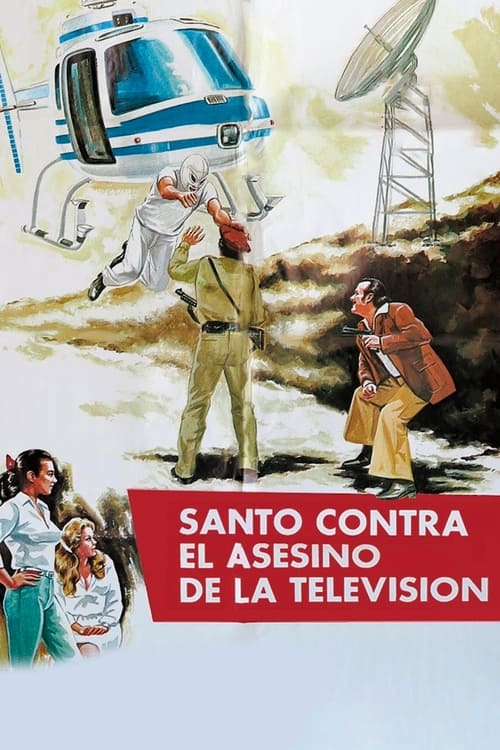
1982

1961
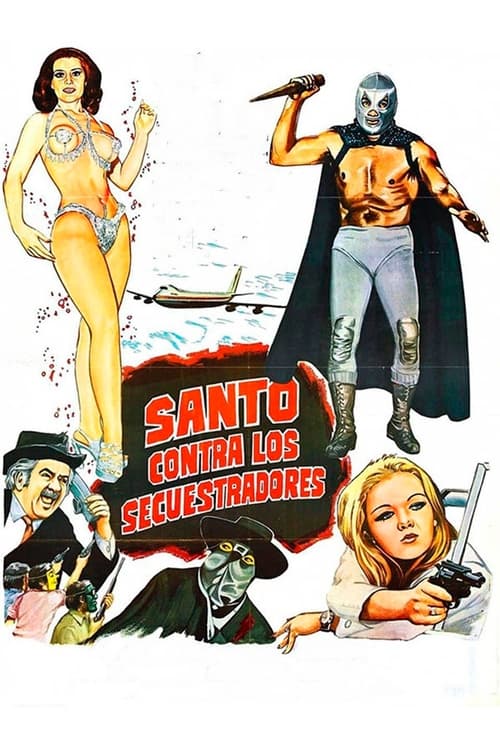
1973
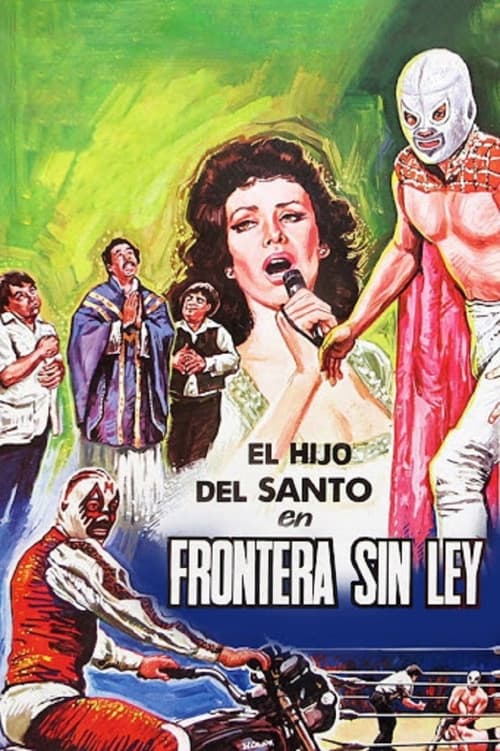
1983
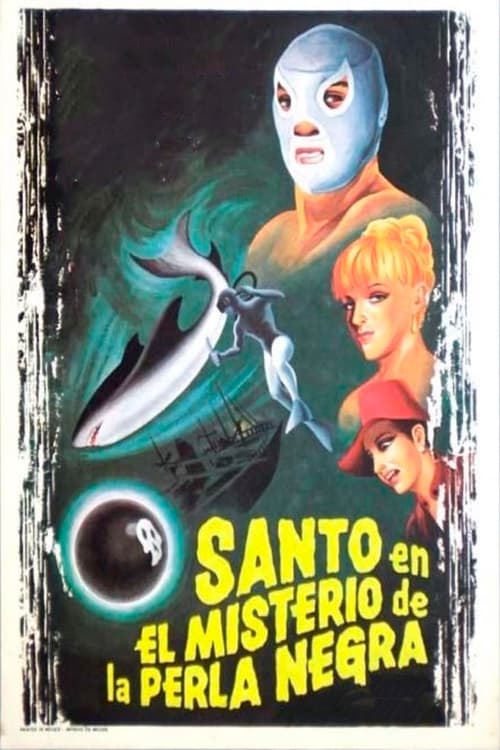
1976
No reviews yet. Be the first to share your thoughts on this movie!
Use the rating form above to leave a star rating and optional review.