
Descending Angel
1990
No user ratings available yet
Representation score: 1.7 out of 10
Representation Score
Limited
1990
PG-13Director
John Power
Runtime
106 minutes
Average Rating
No ratings yetNew Showbiz Analysis
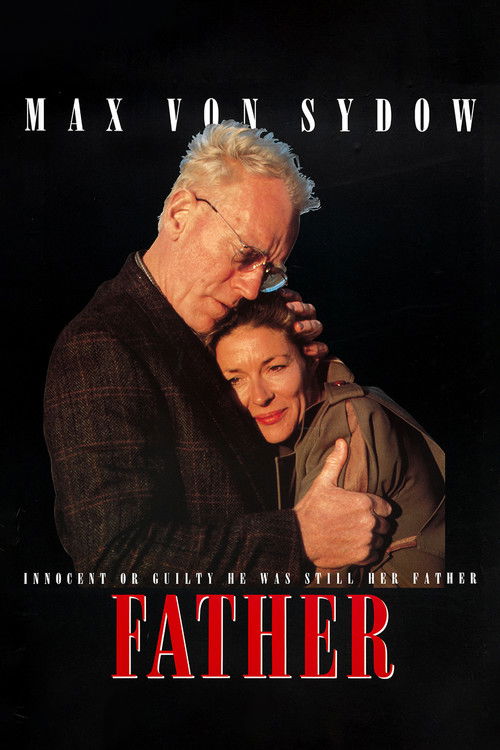
Father is a high-stakes drama centered on a survivor reclaiming their narrative from a perpetrator of systemic violence. The film's strength lies in its ability to challenge traditional historical perspectives by focusing on the pursuit of truth and accountability. However, the film lacks breadth in its representation of diverse social identities. There is no visible engagement with LGBTQ+ identities or disability representation, making the narrative quite specialized. Ultimately, the film functions as a focused study on historical impunity and the deconstruction of systemic wrongs rather than a broad exploration of diverse social identities.
Category Breakdown
The film does not include any characters or narratives related to LGBTQ+ identities or non-binary gender roles. The story focuses solely on historical conflicts and war crimes.
Insufficient information is available to assess gender dynamics or the distribution of influence among characters. While Iya Zetnick is a key figure, the impact on gender hierarchies remains unclear.
The film addresses ethnic identity and the consequences of systemic violence by highlighting the struggle of a underrepresented group seeking justice against an oppressive force.
The film critiques historical state failures by framing justice through a media lens. It explores the moral complexities of seeking retribution via a tabloid setting.
The film does not depict any physical, neurodivergent, or mental health conditions. The narrative does not address disability representation.
Present on Screen
Limited or Absent
Official Synopsis
On a TV tabloid show, Iya Zetnick exposes Joe Mueller as the Nazi war criminal who killed her family.
1990

1989
1961

2007

1989

1974

1966

2015
No reviews yet. Be the first to share your thoughts on this movie!
Use the rating form above to leave a star rating and optional review.