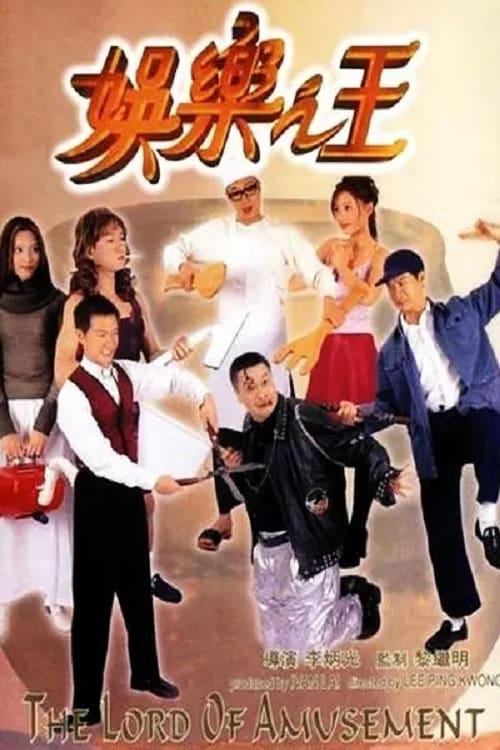
The Lord of Amusement
1999
No user ratings available yet
Representation score: 3.7 out of 10
Representation Score
Limited
1999
Director
Yang Yazhou
Runtime
105 minutes
Average Rating
No ratings yetNew Showbiz Analysis
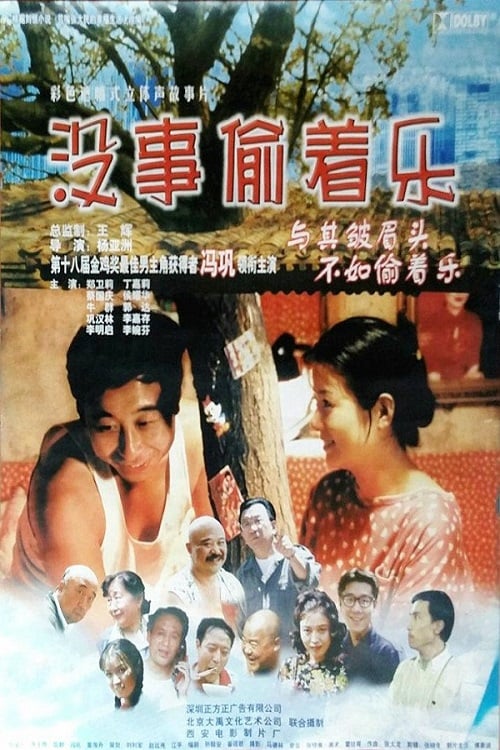
Steal Happiness is a conventional comedy reflecting the specific cultural and temporal context of late-90s Chinese cinema. It operates within a domestic framework as a genre piece rather than a vehicle for social deconstruction. The film lacks the intention to disrupt traditional hierarchies or engage in storytelling that reflects multiple aspects of identity. It relies on established social norms and typical family dynamics of the period. Overall, the work maintains a status quo approach to representation, providing a culturally specific but demographically homogeneous experience.
Category Breakdown
The film does not feature any prominent LGBTQ+ characters or stories that challenge the assumption that everyone is straight or cisgender. It seems to follow the social norms of its time.
The film follows a traditional approach to character roles without challenging gender stereotypes or depicting masculinity as flawed.
As a domestic Chinese production, the film focuses on a single cultural perspective without blending diverse ethnic identities.
The narrative adheres to traditional social structures and values, prioritizing established social norms over secular or morally relative viewpoints.
The film does not include any characters with visible or invisible disabilities, nor do such characters play a central role in the plot.
Present on Screen
Limited or Absent
1999

2010
1979

2008

2024

2023
2014
1999
No reviews yet. Be the first to share your thoughts on this movie!
Use the rating form above to leave a star rating and optional review.