Supa Modo
2018
No user ratings available yet
Representation score: 6.9 out of 10
Representation Score
Fair
2000
Director
Simon Beaufoy, Bille Eltringham
Runtime
93 minutes
Average Rating
No ratings yetNew Showbiz Analysis
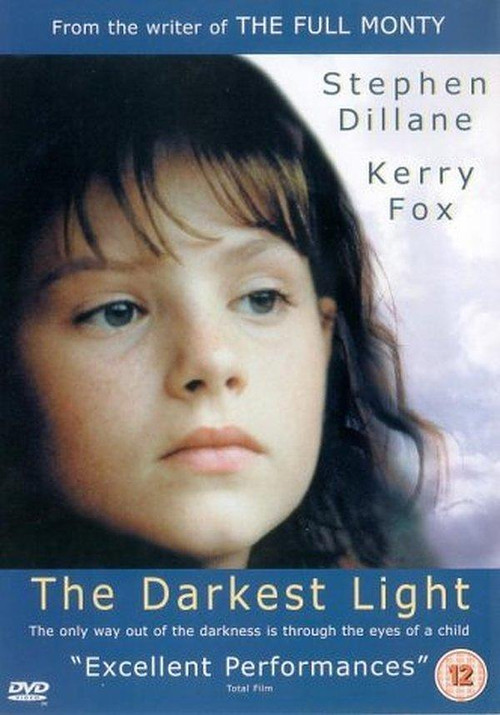
The film provides a nuanced exploration of social integration by introducing ethnic diversity into a traditionally homogeneous rural area. The inclusion of a Hindu character breaks the setting's uniformity. However, the narrative stays rooted in conventional family dynamics. Its focus on traditional gender roles and the absence of LGBTQ+ representation limit its progressive scope. Overall, the film effectively delves into personal faith and the complexities of multiculturalism, even while adhering to a standard dramatic structure.
Category Breakdown
There are no visible LGBTQ+ characters or narratives in the film. The story centers around the nuclear family in the Yorkshire Dales.
Sue and Catherine play key roles in the emotional core of the story. Women handle the family's medical crisis, and the film emphasizes traditional domestic roles and responsibilities.
Uma, the village's first Hindu student, introduces a meaningful element of ethnic diversity. This character fosters important cross-cultural connections within the school environment.
The story examines the blend of Western religious beliefs and Hindu spirituality. Faith is portrayed as a personal coping mechanism during tragic events.
The plot revolves around a child's battle with leukemia. The film highlights the psychological burden of chronic illness rather than using the character as a source of inspiration.
Present on Screen
Limited or Absent
Official Synopsis
Farm life in the Yorkshire Dales isn't easy at the best of times, but things are exceptionally tough for Tom and Sue. Their eight-year-old son has leukaemia, and the doctors aren't making headway. Meanwhile, Catherine, ten, feels lonely and neglected; befriending Uma, the first Hindu at the village school, she takes her to the Moors. Something strange happens, which Catherine interprets as a vision of the Virgin Mary, and a sign her brother will be all right.
2018

2008

2006

1943
1997

2011

1997

2005
No reviews yet. Be the first to share your thoughts on this movie!
Use the rating form above to leave a star rating and optional review.