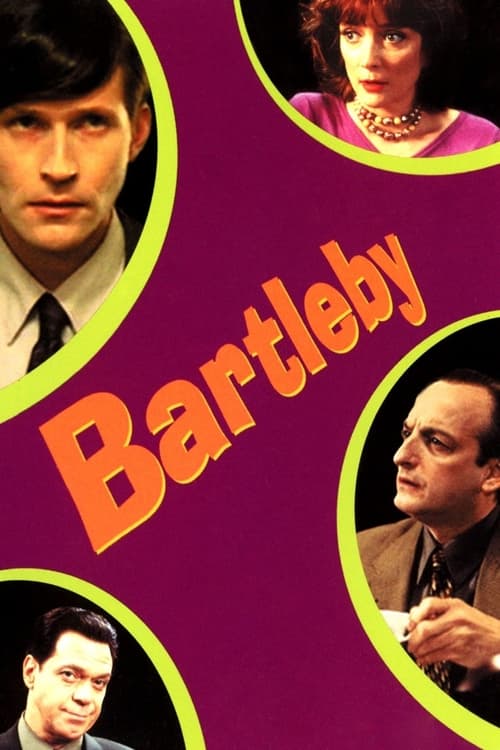
Bartleby
2001
No user ratings available yet
Representation score: 5.0 out of 10
Representation Score
Fair
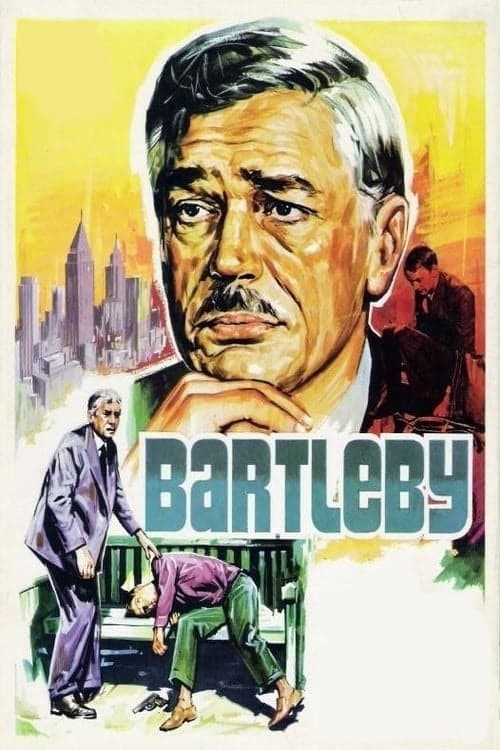
1976
Director
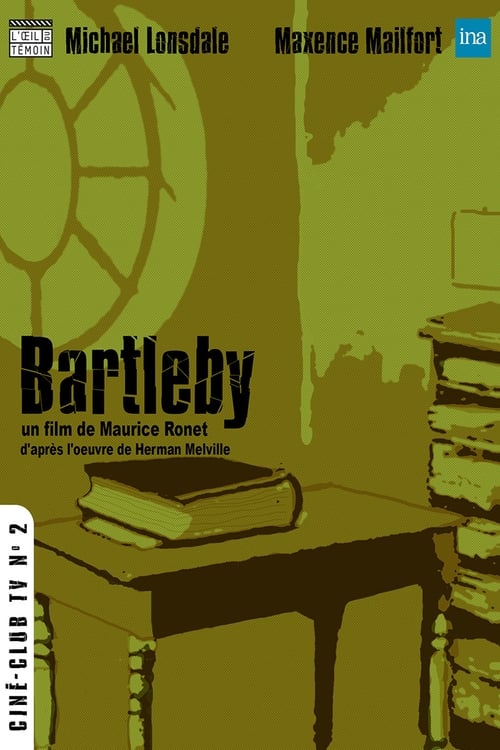
Maurice Ronet
Runtime
97 minutes
Average Rating
No ratings yetNew Showbiz Analysis
Maurice Ronet’s adaptation is a study in existentialism rather than demographic diversity. The film succeeds as a cultural critique, using Bartleby’s refusal to participate in labor to challenge the dehumanizing nature of modern institutions. However, the work remains limited by its period-specific setting. The professional world depicted is almost exclusively white and male, offering little visibility for diverse identities. Ultimately, the film prioritizes the individual's struggle against systemic expectations over a diverse cast.
Category Breakdown
The film focuses entirely on the existential tension between the narrator and Bartleby. There are no LGBTQ+ characters or representations of non-cisgender identities.
The story unfolds within a male-dominated professional sphere. It lacks significant roles for women, framing the central conflict through a masculine relationship.
The production reflects a homogeneous professional environment. It lacks racial or ethnic diversity within the central cast, adhering to the demographic norms of its era.
The film offers a sophisticated critique of capitalist structures and bureaucratic systems. Bartleby’s passive resistance serves as a profound rejection of social and economic productivity.
The narrative explores psychological alienation and social withdrawal. While not explicitly medicalized, Bartleby’s behavior suggests themes of neurodivergence or mental health struggles.
Present on Screen
Limited or Absent
Official Synopsis
Adaptation of the classic Herman Melville short story. The narrator, an elderly Manhattan lawyer with a very comfortable business helping wealthy men deal with mortgages, deeds, and bonds, relates the story of the strangest man he has ever known.
2001

1963
1970
1985
1982

1978
1978
1995
No reviews yet. Be the first to share your thoughts on this movie!
Use the rating form above to leave a star rating and optional review.