
Top Gear: Patagonia Special
2014
No user ratings available yet
Representation score: 0.7 out of 10
Representation Score
Limited
2016
TV-14Director
Phil Churchward, Kit Lynch-Robinson
Runtime
97 minutes
Average Rating
No ratings yetNew Showbiz Analysis
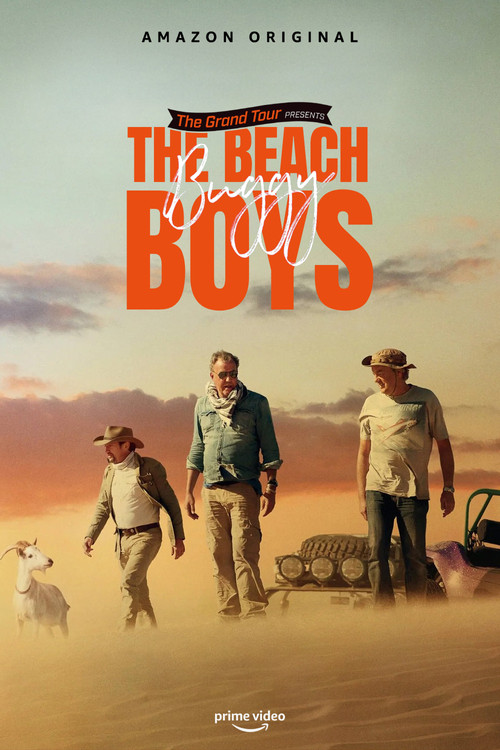
The episode opens with three white men in a Namibian desert, their custom-built buggies gleaming against the dunes. The camera treats the landscape as a blank canvas for their performance, selling a vision of privileged leisure where geography is merely a backdrop for mechanical testing. The sold meaning is clear: competence and endurance are the only currencies that matter, and the trio’s ability to adapt to the terrain is the true measure of their worth. The film’s argument rests on the unexamined assumption that Western wealth and automotive passion are universal values. The drivers bicker with affectionate aggression, their egos clashing over specs and strategy, but the conflict never touches the reality of their presence in Africa. Namibia is exotic but inert, a stage for their bromance rather than a place with its own voice. The camera loves the machines and the men who drive them, framing their privilege as natural and unproblematic. The ending rewards the driver who adapts, reinforcing a meritocratic ideal that ignores the structural advantages of the participants. There is no reckoning with the colonial gaze, no critique of the consumption of foreign space, and no acknowledgment of the local population beyond a few distant figures. The film’s moral verdict is one of comfortable competence: the world is a playground for those with the right tools and the right attitude. It is a clean, polished adventure that asks the viewer to admire the drive, not to question the road.
Category Breakdown
The narrative remains strictly heteronormative and platonic, focusing entirely on male camaraderie. No queer characters, intimacy, or identity themes appear in the frame.
The cast is exclusively male, with women absent from driving and technical decision-making. The dynamic relies on traditional masculine archetypes as the sole sources of conflict and humor.
Three white British men drive through Namibia, treating the landscape as a neutral backdrop. Local people appear only as distant background elements, offering no narrative depth or cultural exchange.
Wealth and Western automotive culture are treated as unmarked defaults. The trio’s privilege is the baseline, not the subject of critique; the adventure validates their comfort and consumption of foreign terrain.
The bodies on screen are able-bodied and resilient. No impairment is depicted, discussed, or used as a narrative device; physical capability is assumed for all participants.
Present on Screen
Limited or Absent
Official Synopsis
The guys embark on a once-in-a-lifetime trip across Namibia in unique beach buggies, each of which are designed to their own personal specifications.
2014
2015

2013
2012
2007
2018
2010
2014
No reviews yet. Be the first to share your thoughts on this movie!
Use the rating form above to leave a star rating and optional review.