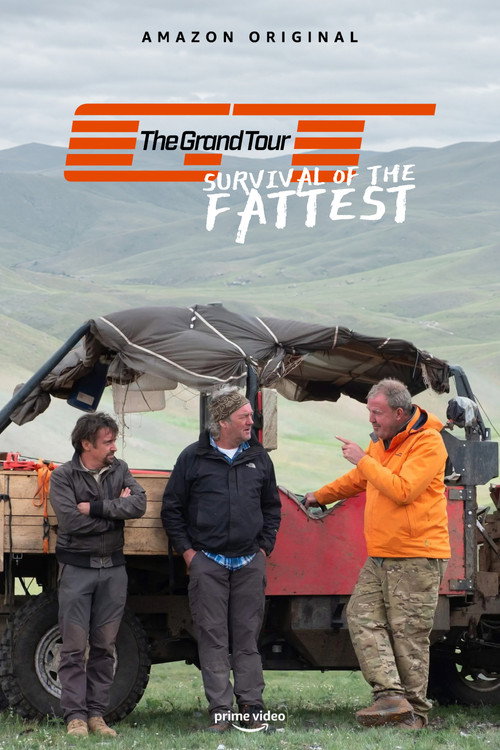
The Grand Tour: Survival of the Fattest
2019
No user ratings available yet
Representation score: 1.3 out of 10
Representation Score
Minimal
2018
TV-14Director
Phil Churchward
Runtime
55 minutes
Average Rating
No ratings yetNew Showbiz Analysis
The episode opens on a lush, green landscape, establishing an "exotic" setting before the arrival of three middle-aged white men in expensive cars. The billed premise is ending world hunger by transporting fish from the coast to the interior, but the pictures sell a different story: a reality show about consumption and competence. The camera loves Jeremy Clarkson, granting him the most space to rant, while treating Richard Hammond as the comic victim and James May as the confused straight man. The sold meaning is clear: wealth and confidence are the only tools that matter. The "feed the world" mission is a backdrop for the men to show off their Britishness and mechanical ingenuity. The locals are the "problem" that the white men are trying to solve, never given agency or a voice. The ending rewards the men’s survival and ability to mock the system, not the system itself. The film’s argument is thin; it treats poverty as a logistics problem solvable by expensive cars and loud voices. The last image settles on the men’s comfort, affirming the myth of the benevolent white savior who tours the world for entertainment.
Category Breakdown
Absent. The narrative centers exclusively on the heterosexual male trio; no same-sex intimacy, queer characters, or gender-diverse identities appear on screen.
Limited. Women are nearly invisible, appearing only as background extras or brief voiceovers. The competence, decision-making, and moral authority reside entirely with the three men, who treat the mission as a private male adventure.
Limited. Mozambican locals appear as passive recipients of aid, lacking individual agency or dialogue. The white presenters remain the unmarked default, framing poverty as a problem to be solved by Western ingenuity rather than a structural issue.
Limited. The episode sells a benevolent savior narrative where wealth and confidence are the only tools that matter. Traditional Western hierarchies of class and nation are treated as natural, with the "other" serving as a backdrop for the men’s superiority.
Absent. No characters with disabilities are featured, nor is impairment depicted as a lived experience. The physical challenges faced are environmental (roads, weather), not bodily.
Present on Screen
Limited or Absent
Official Synopsis
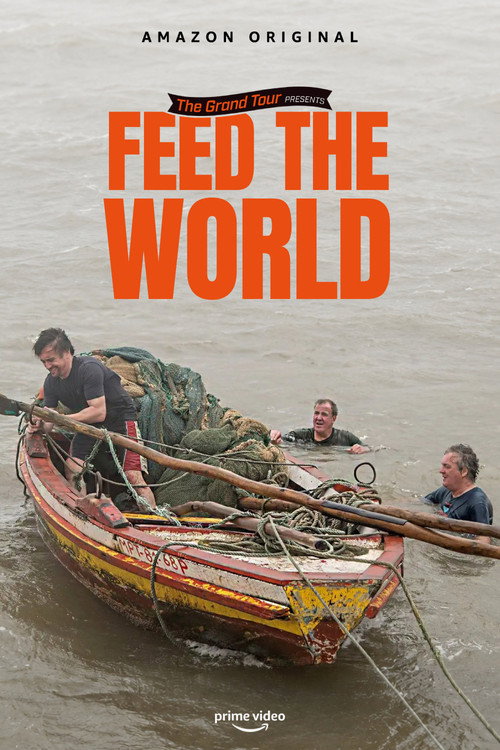
The presenters are forced to work together to transport fish to impoverished communities in Mozambique's interior. The starting point is Mozambique's capital, Maputo, at the very southern end of the country.
2019
2012
2008

2014

2013
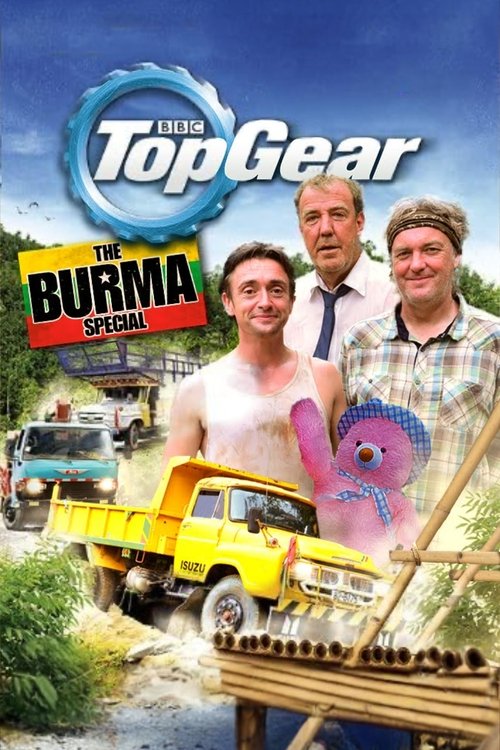
2014
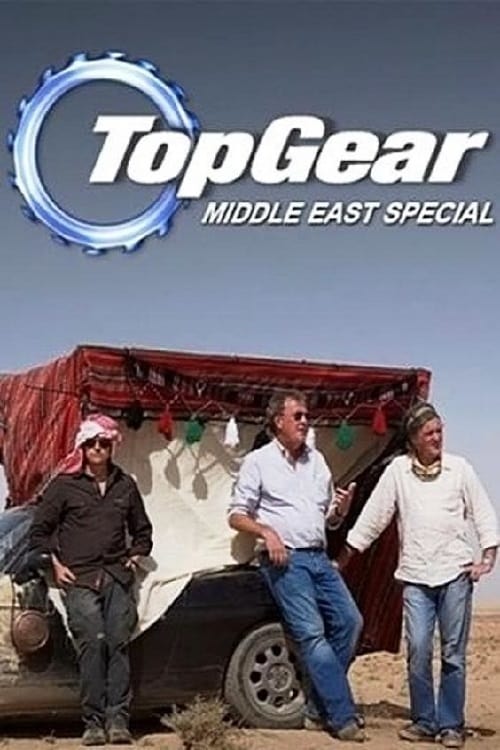
2011
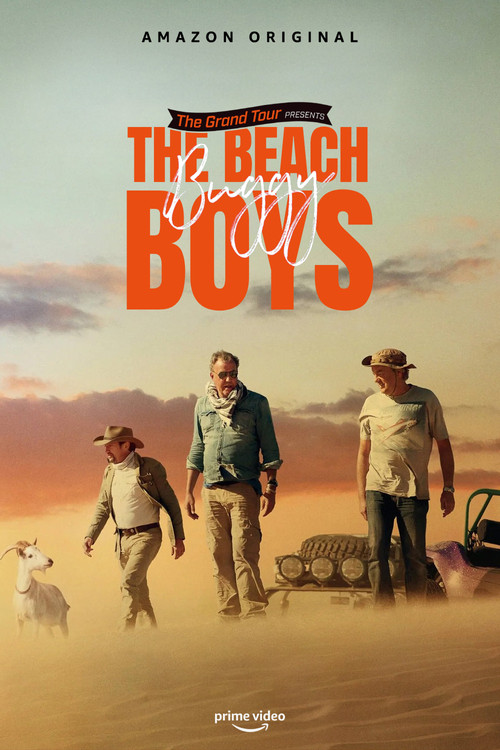
2016
No reviews yet. Be the first to share your thoughts on this movie!
Use the rating form above to leave a star rating and optional review.