
Das Wunder von Kapstadt
2022
No user ratings available yet
Representation score: 6.0 out of 10
Representation Score
Fair
2016
Director
Christiane Balthasar
Runtime
89 minutes
Average Rating
No ratings yetNew Showbiz Analysis
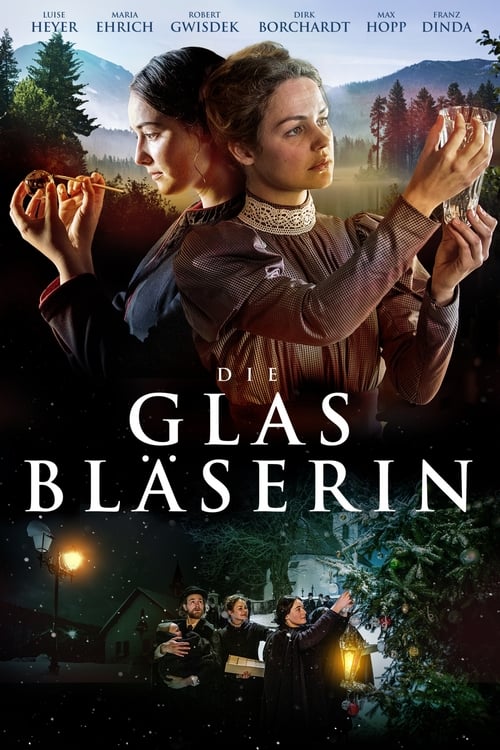
The Glassblower is a historical drama that emphasizes gender empowerment over broad demographic diversity. By focusing on Marie’s journey to become a female glassblower in 1890, the film effectively challenges the professional hierarchies and social norms of the time. While the film excels in showcasing female empowerment and the disruption of patriarchal structures, it remains confined to its specific historical context. The localized setting in a German town limits the racial and ethnic diversity. Ultimately, the film provides a focused examination of gendered labor. It prioritizes a deep critique of traditional Western institutional structures over a wider range of representation.
Category Breakdown
The film does not include any explicit references to LGBTQ+ characters or non-straight relationships. The story focuses on gender barriers rather than sexual orientation.
Marie is portrayed as a strong and independent woman who masters a traditionally male-dominated craft. Her success challenges the 19th-century standards of female domesticity.
The story is set in a small German town and focuses on a historically homogeneous European population. Despite mentioning an American market, the narrative lacks diverse racial and ethnic representation.
The film criticizes the rigid guild systems and patriarchal social orders of 19th-century Germany. It portrays the disruption of local traditions as a necessary step towards progress.
There are no characters with visible or invisible disabilities mentioned in the story.
Present on Screen
Limited or Absent
Official Synopsis
Marie violates tradition in a small German town of Lauscha, to become the first female glassblower in in 1890. Her glass ball decorations find a new market in America.
2022

2018
2017

2018
2016
2024
2018

2009
No reviews yet. Be the first to share your thoughts on this movie!
Use the rating form above to leave a star rating and optional review.