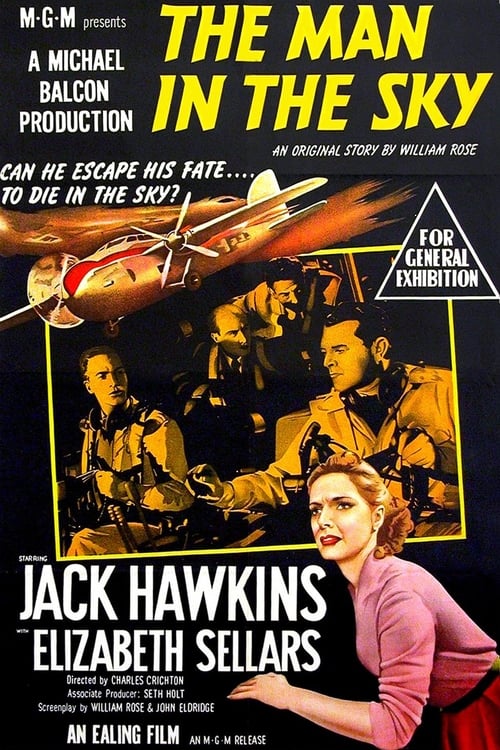
The Man in the Sky
1957
No user ratings available yet
Diversity score: 2.0 out of 10
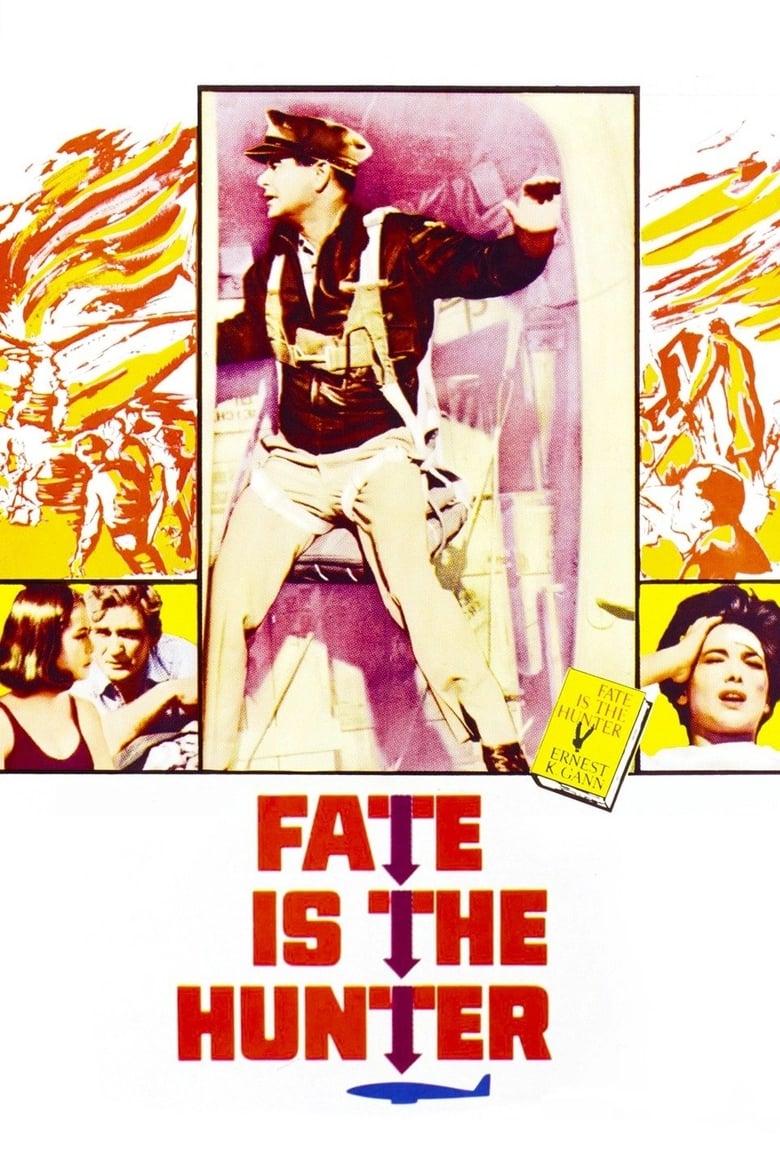
1964
ApprovedDirector
Ralph Nelson
Runtime
106 minutes
Average Rating
No ratings yetSynopsis
An airline executive refuses to believe that pilot error, by his friend, caused a fatal crash and persists in looking for another reason.
Overall Score
Minimal
Category Breakdown
LGBTQ+ Representation
The film contains no discernible LGBTQ+ characters or explorations of non-cisnormative identities. It operates within a strictly heteronormative framework consistent with its 1964 production context.
Gender Representation
The narrative reinforces traditional patriarchal hierarchies, driven entirely by male protagonists in aviation. Female characters are relegated to secondary, domestic, or supportive roles.
Racial & Ethnic Diversity
The cast is predominantly white, reflecting the demographic homogeneity of the 1950s aviation industry. The film lacks diverse character arcs or intersectional depth.
Religious & Cultural Diversity
The story centers on Western institutional values like professional integrity and corporate structure. It lacks critiques of Western institutions or moral relativism.
Disability Representation
Alcoholism is explored as a personal character flaw or struggle of willpower. The film lacks a nuanced exploration of disability or neurodivergence.
Strengths
Areas for Improvement
AI Analysis
Fate Is the Hunter is a quintessential mid-century biographical drama that prioritizes individualist struggle over systemic critique. The narrative architecture is rooted in conventional social frameworks, focusing on professional duty and the personal failings of its male leads. The film reflects the demographic and social homogeneity of its era. It functions within established hierarchies, offering little to no representation of marginalized identities or subversion of traditional norms. Ultimately, the film serves as a character study of professional integrity within a capitalist framework, rather than a tool for social or cultural deconstruction.
1957
1963

1963
1941

1949
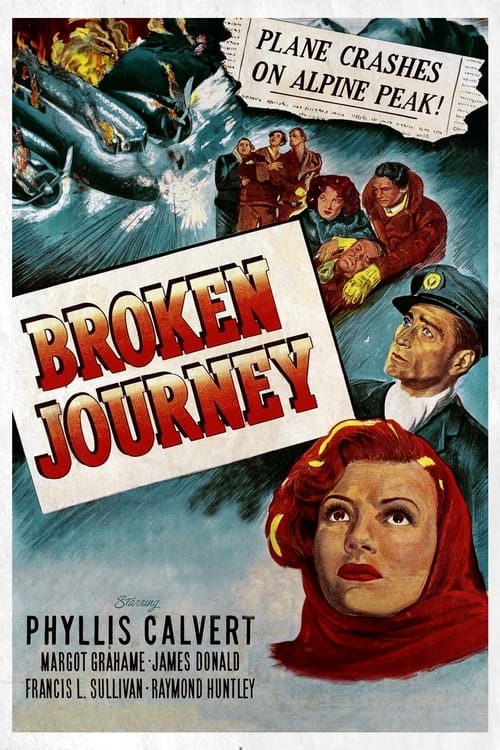
1948
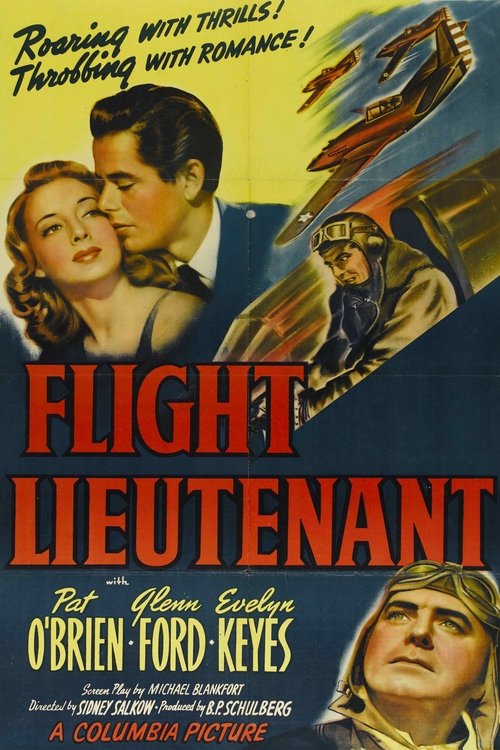
1942

1956
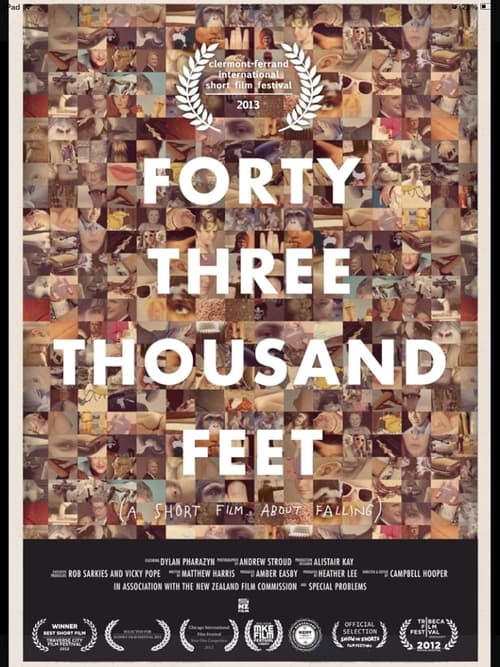
2012
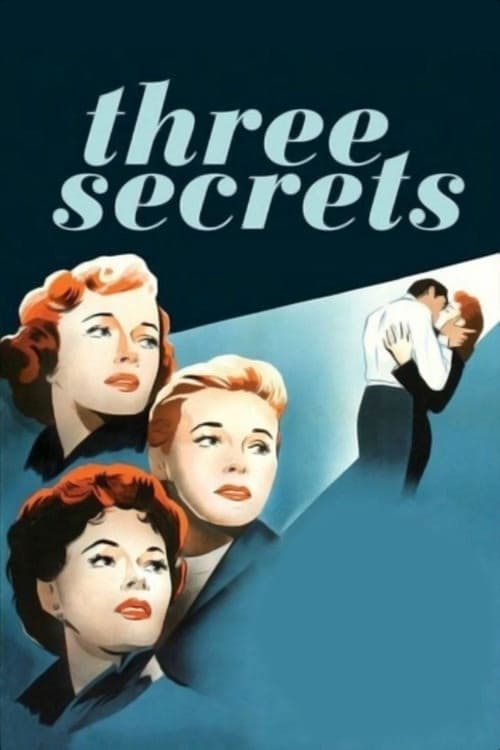
1950
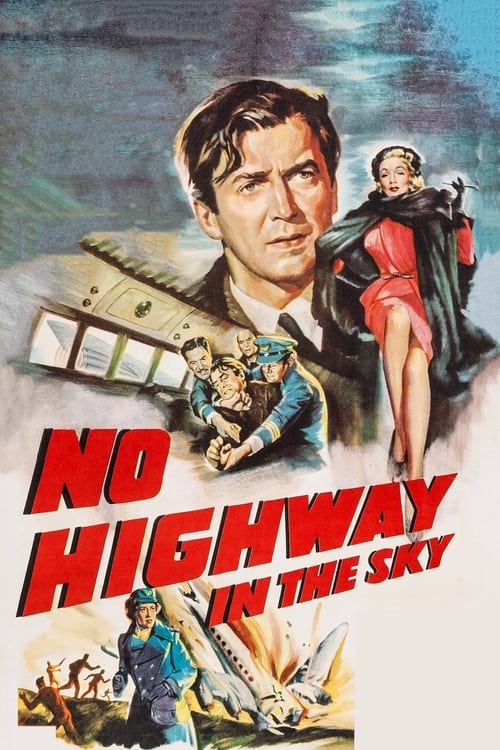
1951

1962
No reviews yet. Be the first to share your thoughts on this movie!
Use the rating form above to leave a star rating and optional review.