Louloute
2021
No user ratings available yet
Diversity score: 3.8 out of 10
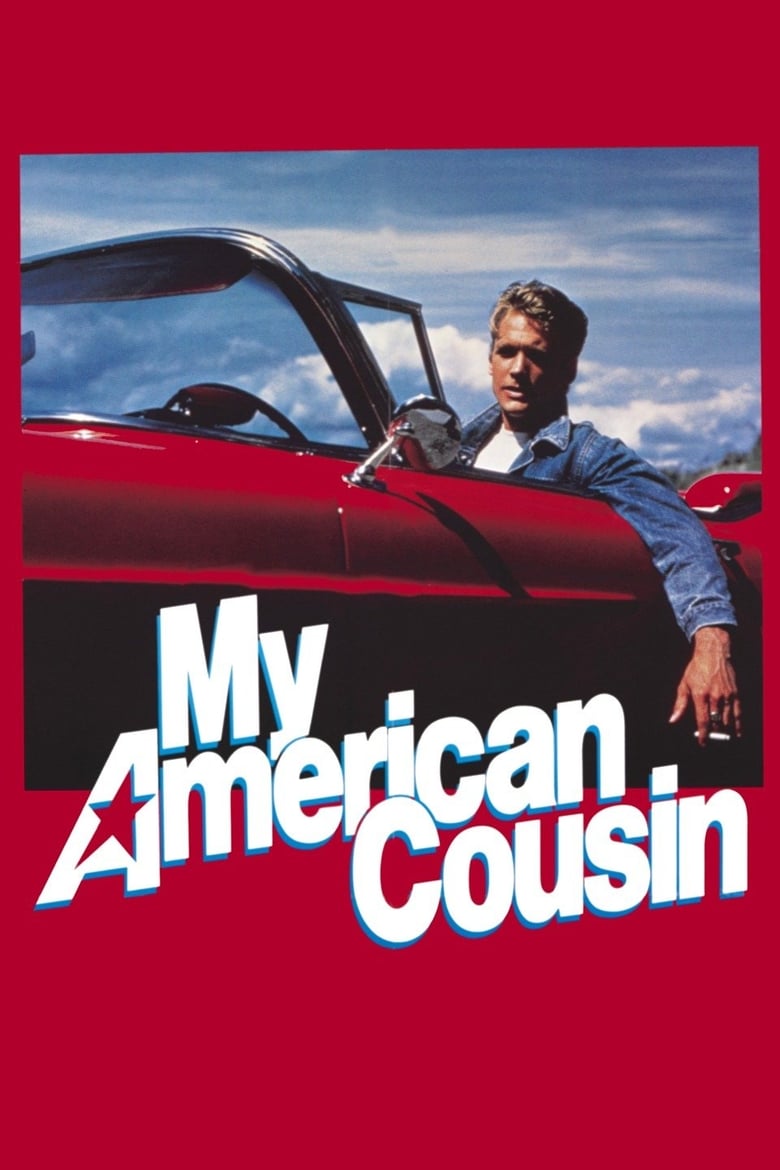
1985
PGDirector
Sandy Wilson
Runtime
90 minutes
Average Rating
No ratings yetSynopsis
Sandy Wilcox is a pre-teen girl in rural 1950s British Columbia whose longing to be treated as an adult is roused even further when her older American cousin, Butch Walker, comes for a visit.
Overall Score
Fair
Category Breakdown
LGBTQ+ Representation
The film focuses on teenage romance and coming-of-age experiences. There is no evidence of LGBTQ+ characters or non-heteronormative narratives within the story.
Gender Representation
The narrative centers on a young girl's emotional journey and her desire for agency. A female director provides a subjective lens that prioritizes female experiences.
Racial & Ethnic Diversity
Set in rural 1950s British Columbia, the film appears to reflect the demographic homogeneity of that era. No significant racial blending is documented.
Religious & Cultural Diversity
The film uses period details to evoke mid-century social norms. It functions as a nostalgic drama without explicit evidence of systemic cultural critique.
Disability Representation
There is no mention of characters with visible or invisible disabilities in the available documentation.
Strengths
Areas for Improvement
AI Analysis
My American Cousin is a semi-autobiographical period piece that finds its strength in its gendered perspective. By centering a young girl's internal life, the film moves away from traditional male-centric historical storytelling. However, the film's diversity is limited by its specific historical and geographical setting. The lack of racial and LGBTQ+ representation reflects the demographic homogeneity of rural 1950s Canada, offering a narrow view of the era's social landscape. Ultimately, the film succeeds as a character-driven study of female subjectivity, even if it remains within the conventional social constraints of its time and place.
2021
1990

1976
1991
1971

2010

2003
2006

1994
1988

1960

1987
No reviews yet. Be the first to share your thoughts on this movie!
Use the rating form above to leave a star rating and optional review.