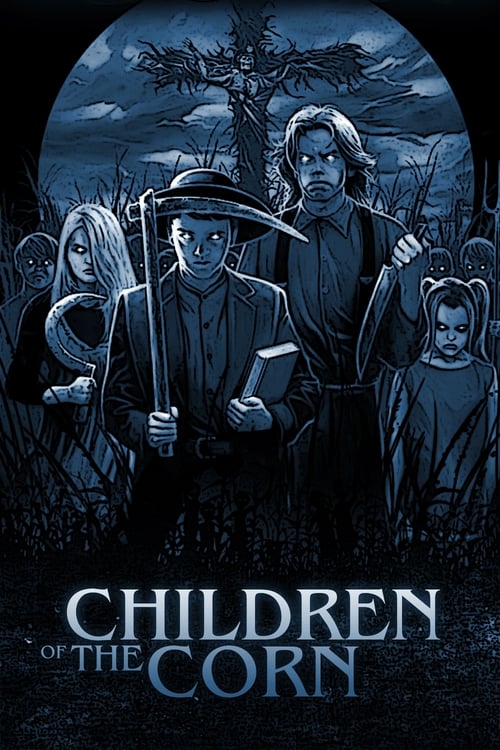
Children of the Corn
1984
No user ratings available yet
Representation score: 1.4 out of 10
Representation Score
Minimal
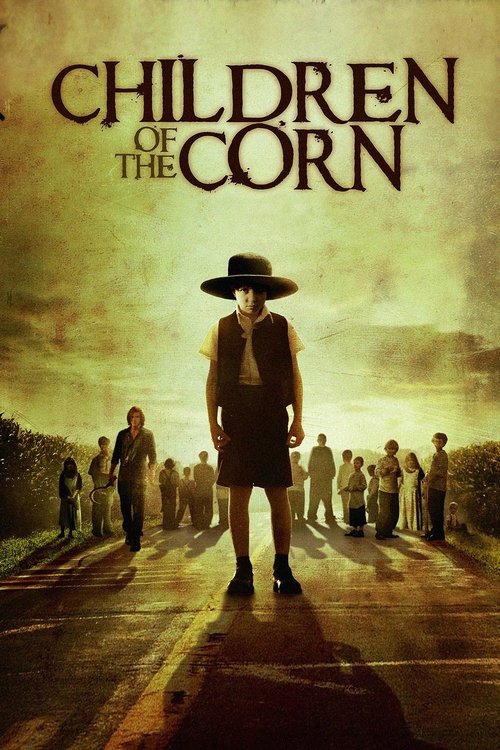
2009
TV-14Director
Donald P. Borchers
Runtime
92 minutes
Average Rating
No ratings yetNew Showbiz Analysis
Children of the Corn (2009) is a traditional horror film that relies on well-established demographic and gendered clichés. The film’s structure is centered on horror conventions rather than a deliberate attempt to offer diverse or progressive narratives. While the film offers a unique critique of traditional Western institutions and the nuclear family, these elements serve the horror storyline. The narrative does not use these themes to challenge broader societal norms but instead fuels the central conflict. Overall, the film lacks diverse casting and adheres to traditional gender and racial norms, reinforcing a narrow demographic perspective.
Category Breakdown
The film does not include any LGBTQ+ characters or non-cisgender identities. The main characters and children in the story are all portrayed within a heterosexual context.
The film follows traditional horror stereotypes with a typical male/female pair. Female characters do not have significant roles in driving the plot.
The cast is primarily white and uniform, reflecting the film's rural Midwest setting. The story does not explore racial or ethnic diversity.
The film challenges conventional Western institutions by showing a society that rejects the nuclear family and established religious structures. It depicts a society breaking down traditional social order through a pagan deity.
There is no significant evidence regarding the portrayal of visible or invisible disabilities within the film.
Present on Screen
Limited or Absent
Official Synopsis
A traveling couple end up in an abandoned Nebraska town inhabited by a cult of murderous children who worship a demon that lives in the local cornfields.
1984
1966
1998
1971
2011

1978
1995
1998
No reviews yet. Be the first to share your thoughts on this movie!
Use the rating form above to leave a star rating and optional review.