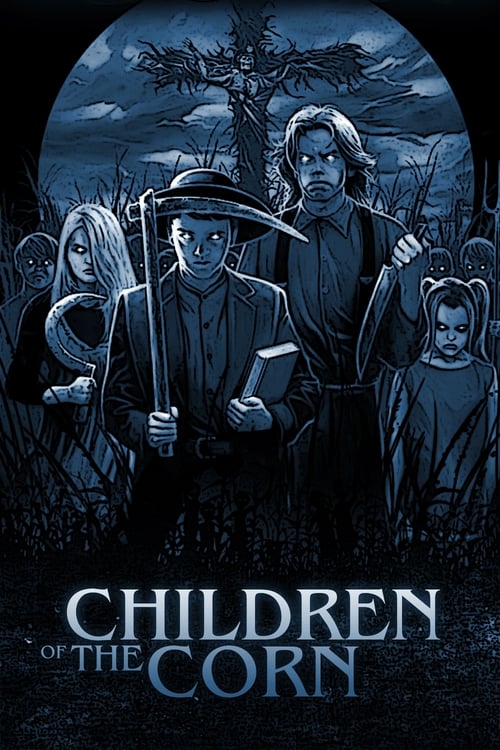
Children of the Corn
1984
No user ratings available yet
Representation score: 1.4 out of 10
Representation Score
Minimal
1995
RDirector
James D.R. Hickox
Runtime
90 minutes
Average Rating
No ratings yetNew Showbiz Analysis
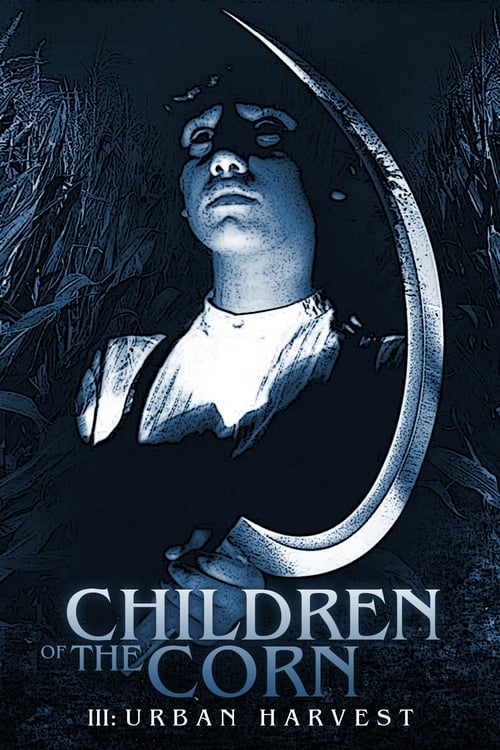
Children of the Corn III: Urban Harvest adheres closely to the conventions of direct-to-video horror. Its narrative structure emphasizes supernatural tension and genre clichés over any sociopolitical commentary or critique of cultural hierarchies. The film lacks meaningful representation across various identity categories, including LGBTQ+ and disability. While it breaks down traditional social and parental structures, these elements serve the horror plot rather than offering a critique of Western institutions. Ultimately, the film remains a conventional genre piece. It does not show a progressive intent to disrupt social norms or promote diverse casting and character development.
Category Breakdown
The film does not feature any LGBTQ+ characters or narratives. It stays focused on traditional horror themes without incorporating queer perspectives.
The film includes a typical group of teenage characters. While it avoids overly submissive female roles, it does not challenge traditional gender hierarchies.
The story does not emphasize diverse ethnic representation or multi-layered casting. The focus is on the supernatural elements and urban setting, with few non-white main characters.
The story portrays a rebellion against parental authority in favor of a cult ritual. This behavior is shown as supernatural evil rather than a critique of societal oppression.
The film does not depict characters with visible or invisible disabilities. Disability is not used as a central narrative element.
Present on Screen
Limited or Absent
Official Synopsis
After a couple adopts a pair of orphaned brothers, it becomes alarmingly clear the boys are much more than they seem.
1984
1988
1998

1976

1976
1987
2009

1978
No reviews yet. Be the first to share your thoughts on this movie!
Use the rating form above to leave a star rating and optional review.