Tosca's Kiss
1984
No user ratings available yet
Representation score: 4.3 out of 10
Representation Score
Minimal
1998
TV-GDirector
Donald Sturrock
Runtime
110 minutes
Average Rating
No ratings yetNew Showbiz Analysis
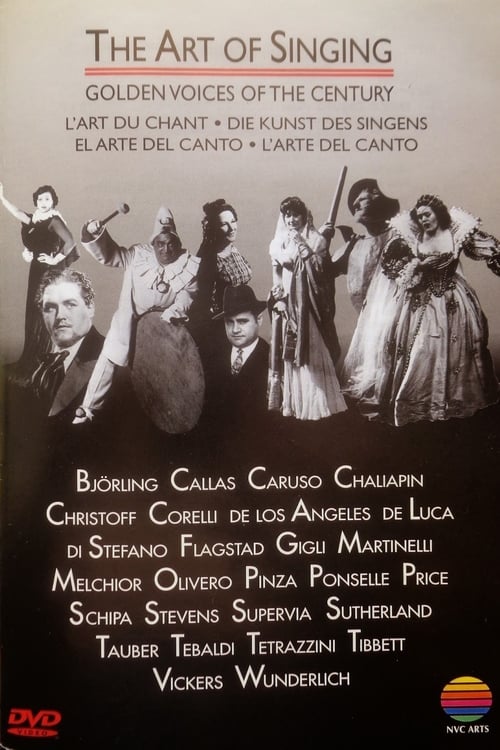
This documentary serves as a musicological archive, bridging the gap between historical audio and the physical presence of legendary vocalists. It prioritizes the preservation of a specific Western cultural tradition over contemporary social representation. While the film provides visibility for female icons like Maria Callas, it operates within the traditional hierarchies of classical music. The focus remains on the technical excellence of the 'Golden Voices' rather than identity politics. The lack of diversity is largely a reflection of the era being studied. By documenting the Western operatic canon, the film adheres to the historical demographic constraints of the classical genre.
Category Breakdown
The documentary focuses solely on the technical and historical aspects of operatic performance. There are no characters or narratives related to LGBTQ+ identities.
Female icons such as Maria Callas provide visibility for women in a challenging field. However, the film maintains traditional hierarchies between male conductors and female soloists.
The film reflects the demographic constraints of the operatic era, focusing on Western European performers. There is no evidence of diverse racial or ethnic casting.
This work preserves Western high culture and traditional musical institutions. It emphasizes the value of the established Western operatic canon.
The content remains focused on vocal ability and historical performance footage. There is no depiction of physical or neurodivergent disabilities.
Present on Screen
Limited or Absent
Official Synopsis
Imagine a window into the past. Imagine finally connecting singers' bodies to the voices you have always treasured on record, watching footage of performances from another era. All of singers featured here have something in common (with one exception, Sutherland): they sang and performed on stage before the advent of filmed opera. . And it shows, for the first time, a few tantalizing minutes of recently recovered footage from Callas' legendary Lisbon Traviata, featuring Addio dal Passato and Parigi oh cara with Alfredo Kraus. This DVD will leave you asking for more.
1984
2022

1997
2020
2009
2025
1985
2000
No reviews yet. Be the first to share your thoughts on this movie!
Use the rating form above to leave a star rating and optional review.