
Tere Ghar Ke Samne
1963
No user ratings available yet
Representation score: 1.3 out of 10
Representation Score
Minimal
1970
Director
Mukul Dutt
Runtime
177 minutes
Average Rating
No ratings yetNew Showbiz Analysis
The film opens with a wealthy widow’s mansion, a space of rigid class and familial duty. The camera lingers on the idealized faces of Rajesh Khanna and Asha Parekh, whose suffering is aestheticized through musical interludes. The sold meaning is that personal happiness is subordinate to social harmony; the woman is the moral center, but her agency is bounded by duty. The ending rewards emotional endurance over material gain, reinforcing the traditional hierarchy of family and honor. The film’s argument is that duty is the highest good, and the last image settles on a bittersweet reconciliation that upholds the status quo. The system remains intact; the characters suffer, but the structure does not change.
Category Breakdown
Absent. All romantic pairings are heterosexual; no same-sex intimacy or non-binary characters appear. The narrative relies entirely on traditional gendered courtship dynamics.
Limited. Asha Parekh’s character serves as the moral center and emotional anchor, yet her agency is constrained by duty. Male leads are idealized, while the female lead’s value is tied to her resilience and moral judgment.
Limited. The cast is homogeneous, reflecting the 1970s Hindi film industry’s standard. No non-white characters are depicted; the social space is insulated from external ethnic or colonial critique.
Traditional. Family honor and social harmony are treated as the ultimate moral goods. The wealthy widow’s refusal to pay her son underscores class rigidity, while the resolution reinforces duty over individual desire.
Absent. No characters with physical, sensory, or cognitive impairments are depicted. The narrative focuses on emotional and social conflict rather than bodily difference.
Present on Screen
Limited or Absent
Official Synopsis
A wealthy widow refuses to leave anything to her selfish son. In order to win her affection, he introduces her to his fiancee, Deepali, who is a girl he hires to play the part.
1963
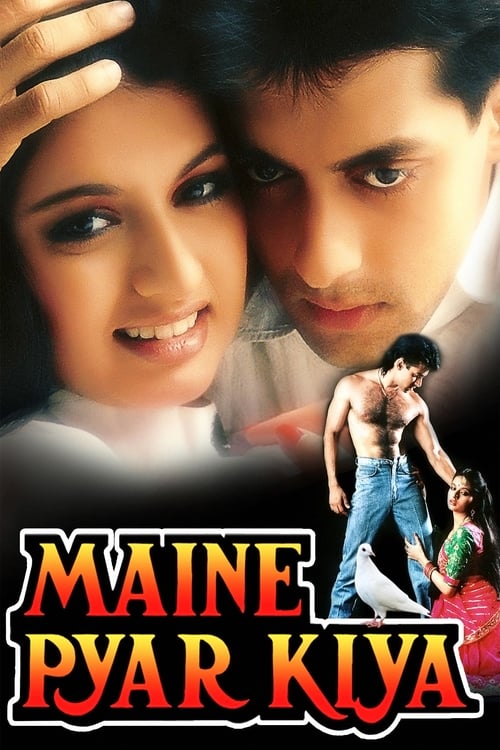
1989
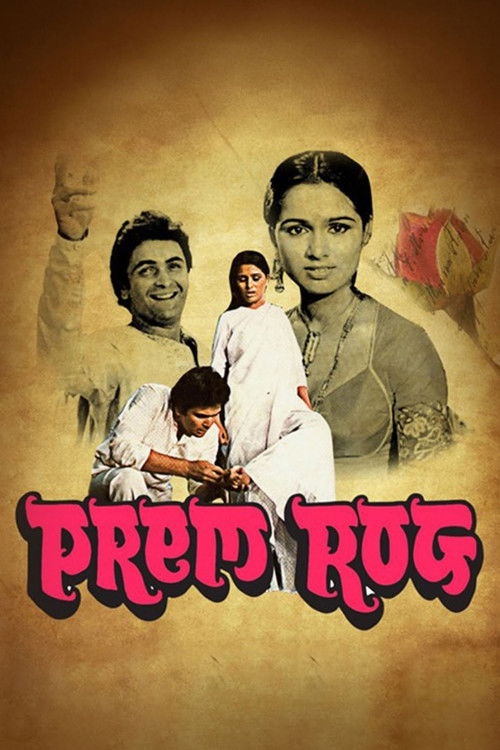
1982
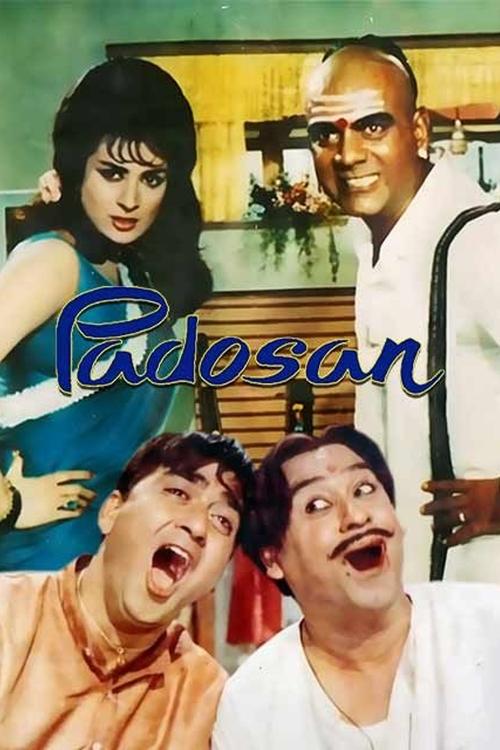
1968
1968
1994
2002
1968
No reviews yet. Be the first to share your thoughts on this movie!
Use the rating form above to leave a star rating and optional review.