Adult Camp
2015
No user ratings available yet
Representation score: 8.0 out of 10
Representation Score
Excellent
2014
Director
Shuichi Okita
Runtime
88 minutes
Average Rating
No ratings yetNew Showbiz Analysis
Shuichi Okita’s film breaks away from typical cinematic conventions by focusing on older women, a demographic often overlooked in mainstream media. By using non-professional actors, the film prioritizes authentic experiences over polished performances. The narrative shifts power from male characters to an all-female ensemble, allowing the women to navigate their own paths. This focus on older women challenges the usual emphasis on youth and male-centric action. While the film excels in representing gender and age, it remains ethnically uniform and lacks explicit LGBTQ+ stories. It centers on the personal experiences of its characters rather than broad concepts.
Category Breakdown
The film doesn't include explicit LGBTQ+ identities or non-straight relationships. It stays neutral without promoting assumptions that everyone is straight or cisgender.
The story challenges traditional gender roles by focusing on an all-female cast. By removing male characters from key roles, the film empowers the women to take charge of their own journey.
The cast is ethnically uniform, reflecting a specific Japanese cultural context. It doesn’t blend diverse racial identities but focuses on a particular ethnic group.
The plot emphasizes nature-based reflection over strict institutional rules. It allows characters to explore personal morality and existential questions outside of formal structures.
Including women aged 40 to 80 highlights the realities of aging. The film treats the aging body as a central part of the human experience.
Present on Screen
Limited or Absent
Official Synopsis
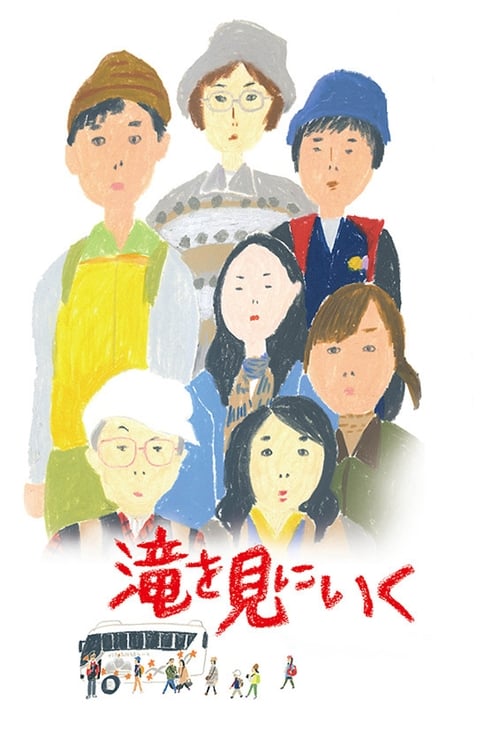
Seven women aged between 40 and 80 join the Leaf-Watching & Grand Mythical Waterfall & Hot Spring tour. The women chat, pick berries, take photos and generally enjoy themselves as they follow their unreliable guide to the waterfall. Then the guide disappears, leaving the women stranded in the woods. Thrown into an experience far removed from their ordinary lives, they become reflective. An open casting call was held to search for seven women over the age of 40. Acting experience was not required. Director Okita's screenplay comes to life when the cast's unique presence and talents combine with the characters.
2015

2018

2022

1983
1984
2007

2009
2023
No reviews yet. Be the first to share your thoughts on this movie!
Use the rating form above to leave a star rating and optional review.