
The Story of the Last Chrysanthemum
1939
No user ratings available yet
Representation score: 5.5 out of 10
Representation Score
Fair
1929
Director
Kenji Mizoguchi
Runtime
24 minutes
Average Rating
No ratings yetNew Showbiz Analysis
Kenji Mizoguchi’s direction suggests a deliberate critique of systemic inequality. The film uses the melodrama genre to interrogate power dynamics and the friction between individual desire and class constraints in 1920s Tokyo. While the scarcity of recovered footage limits a full analysis, the thematic focus remains on the socio-economic disparities of the Taishō era. The work prioritizes social critique over the reinforcement of traditional stability. Ultimately, the film serves as a study of how social hierarchies impact individual ability to act, particularly within the context of urban modernization and economic survival.
Category Breakdown
The synopsis does not mention any queer narratives or non-cisgender identities. Given the historical context of 1920s melodrama, there are no specific indicators of such representation.
The film focuses on women navigating rigid social hierarchies. It frames romantic love through the lens of economic survival and class struggle rather than traditional clichés.
The film explores social stratification within Japanese society. It uses the divide between the middle class and the disenfranchised to examine identity-based struggles.
The narrative critiques the failures of Taishō-era institutions. It challenges idealized national stability by focusing on the friction caused by social stratification.
No details regarding the portrayal of physical or neurodivergent characters are available. The surviving records and synopsis provide no information on disability representation.
Present on Screen
Limited or Absent
Official Synopsis
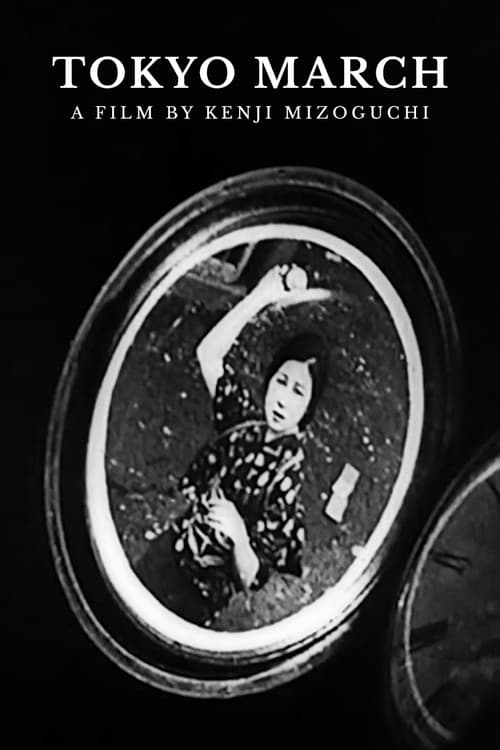
A classic melodramatic love tragedy addressing social inequality in Taishō-era Japan, The nostalgic scenes of 1920s Tokyo provides a valuable visual experience set against the background of the title song, "Tokyo March." (Sadly, less than a half hour of the footage has been recovered and restored.)
1939
1952
1947
1932
1947
1919

1964
1927
No reviews yet. Be the first to share your thoughts on this movie!
Use the rating form above to leave a star rating and optional review.