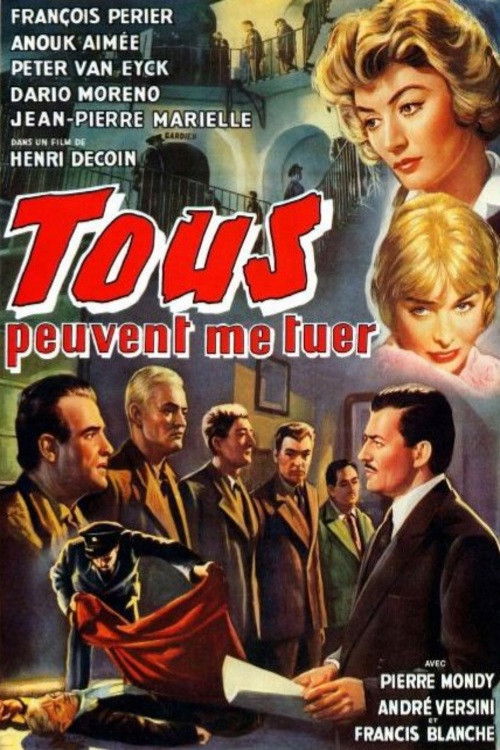
Anyone Can Kill Me
1957
No user ratings available yet
Representation score: 1.1 out of 10
Representation Score
Minimal
1958
Director
André Berthomieu
Runtime
98 minutes
Average Rating
No ratings yetNew Showbiz Analysis
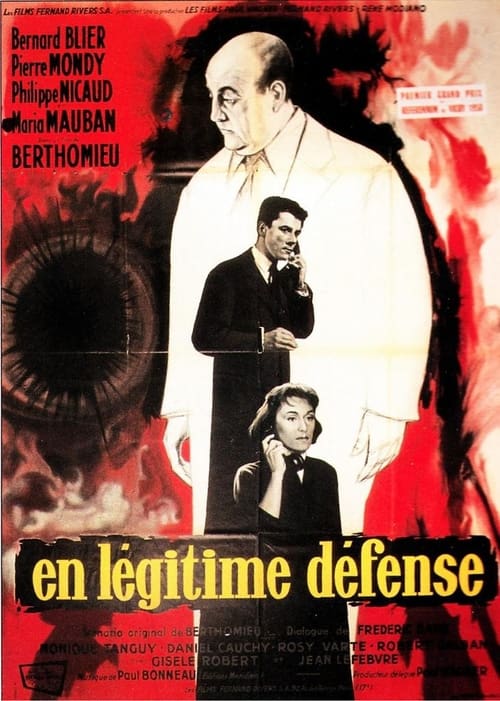
A Legitimate Defense operates as a conventional mid-20th century crime drama that prioritizes genre clichés over social subversion. The narrative structure relies on restoring order through legal institutions and reinforcing traditional romantic bonds. The film adheres to established cinematic conventions of the era, focusing on a localized conflict between a bar owner, a police inspector, and a criminal gang. It does not seek to challenge existing social hierarchies or explore diverse identities. Ultimately, the story functions as a study of individual survival and the preservation of social stability within a standard Western framework.
Category Breakdown
The film focuses on a traditional romantic relationship between Pierrot and Dora, which follows heterosexual norms. There are no characters with non-straight or non-cisgender identities, nor any same-sex intimacy.
Gender roles follow mid-20th century conventions. Dora is portrayed as an emotional support figure, while male characters drive the plot through crime and law enforcement.
The story focuses on a localized conflict between French citizens in Montmartre. There are no indications of a multi-ethnic cast or non-white characters driving the plot.
The film explores the tension between underworld hierarchies and state authority. It reinforces the legitimacy of the legal system and traditional social stability.
The narrative focuses strictly on crime and self-defense. No characters are depicted navigating physical, neurodivergent, or mental health challenges.
Present on Screen
Limited or Absent
Official Synopsis
Two friends from the last war, Pierrot, a bar owner, and Gustave, a police inspector, are in contact with a notorious gang of racketeers in Montmartre. Tired of putting up with Albert the King's demands, Pierrot kills the gangster during a bar brawl. His first instinct is to flee, but on Gustave's advice, he turns himself in to the law. All things considered, he'll be safer in prison than exposed to the reprisals of the "underworld". Pierrot goes to trial. He was acquitted as having acted in self-defense. But his release leaves him open to the vengeance of Bob, one of Albert's accomplices. Pierrot narrowly escapes an ambush, but is finally able to rid himself of the threat hanging over him, thanks to the friendship of Inspector Gustave, and finally reunites with the companion of his life, Dora, who has never stopped trembling for him.
1957

1952
1949

1972

1948
1959
1957
1949
No reviews yet. Be the first to share your thoughts on this movie!
Use the rating form above to leave a star rating and optional review.