The Legend of the Spinner
1908
No user ratings available yet
Representation score: 3.7 out of 10
Representation Score
Fair
1971
Director
Jean-Daniel Verhaeghe
Runtime
76 minutes
Average Rating
No ratings yetNew Showbiz Analysis
The Water Spider uses surrealist techniques to challenge conventional social norms. It successfully deconstructs traditional gender roles and the sanctity of the nuclear family by introducing a metamorphic, disruptive feminine force. However, the film lacks meaningful demographic inclusion. The cast appears homogeneous, and the narrative fails to provide explicit identity markers for LGBTQ+ or disabled characters, relying instead on metaphorical ambiguity. Ultimately, the film is a psychological study of non-traditional desires rather than a work of explicit social representation.
Category Breakdown
The film explores non-conventional desires through a metamorphic attraction that challenges traditional companionship. While it doesn't explicitly identify the protagonist as LGBTQ+, his urge to replace his wife with a non-human entity questions traditional marriage structures.
The narrative deconstructs traditional domestic roles by presenting the stable wife as a source of boredom. Instead, it highlights a chaotic, unpredictable feminine presence through the transformative spider/Nadie entity.
The film operates within a traditional European framework with a seemingly homogeneous cast. There is no evidence of racial diversity or the use of non-human species as racial metaphors.
The story critiques the nuclear family and Western social institutions through surrealism. It rejects singular moral imperatives, favoring a fluid, psychological truth over traditional domestic stability.
The character Nadie is described as mute, but her silence may be a supernatural trait rather than a physiological disability. It remains unclear if this represents meaningful disability or a plot device.
Present on Screen
Limited or Absent
Official Synopsis
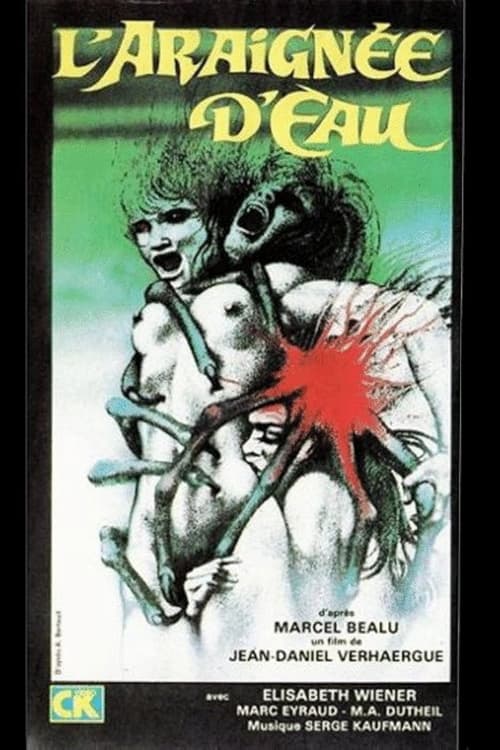
Bernard is in love with a water spider. He wants to replace his wife Catherine with the spider because she bores him. The spider transforms into a tarantula and later in a mysterious mute girl named Nadie. He falls in love with the girl/spider and finally he has to choose between his wife or the spider.
1908
1960

2002

1970
1977
1942
2014

1984
No reviews yet. Be the first to share your thoughts on this movie!
Use the rating form above to leave a star rating and optional review.