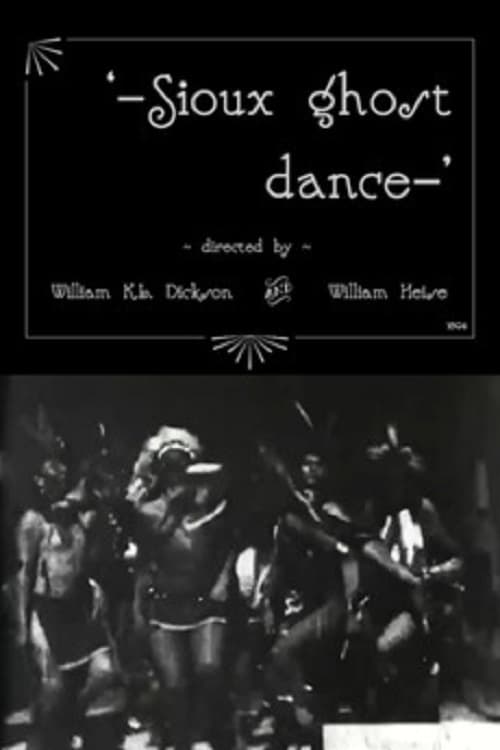
Sioux Ghost Dance
1894
No user ratings available yet
Diversity score: 6.1 out of 10
No Poster Available
1894
Director
William Heise, William K.L. Dickson
Runtime
1 minutes
Average Rating
No ratings yetSynopsis
A charming representation of the Mikado dance by three beautiful Japanese ladies in full costume. Very effective when colored.
Overall Score
Fair
Category Breakdown
LGBTQ+ Representation
The film focuses entirely on a traditional dance performance. There are no depictions of non-heteronormative identities or same-sex intimacy.
Gender Representation
Three women occupy the central focus of the film. While they demonstrate significant skill, the work lacks the narrative depth to explore gender agency or social hierarchies.
Racial & Ethnic Diversity
The film provides valuable visibility for Japanese performers. By centering the Mikado dance, it offers a dignified alternative to the caricatures common in early Western media.
Religious & Cultural Diversity
This work serves as a visual record of Japanese tradition. It provides a rare counter-narrative to the Western-centric focus typical of the late 19th century.
Disability Representation
There is no evidence of physical or neurodivergent identities being depicted in this short film.
Strengths
Areas for Improvement
AI Analysis
This early short film functions primarily as an ethnographic document rather than a narrative work. Its strength lies in its visual documentation of Japanese cultural traditions, providing a rare moment of non-Western centering during the infancy of cinema. However, the film's brevity and lack of plot prevent it from exploring complex social themes. It lacks the structural capacity to address gendered agency, queer identities, or systemic critiques, remaining focused on aesthetic spectacle. Ultimately, the film is a significant historical artifact for its racial and ethnic visibility, even if it does not engage with broader social or political commentary.
No reviews yet. Be the first to share your thoughts on this movie!
Use the rating form above to leave a star rating and optional review.