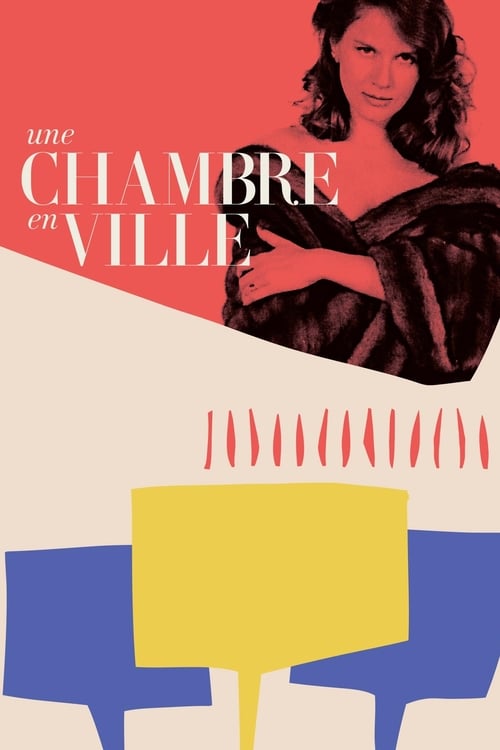
A Room in Town
1982
No user ratings available yet
Representation score: 6.2 out of 10

Representation Score
Fair
1977
RDirector
Claude Goretta
Runtime
107 minutes
Average Rating
No ratings yetNew Showbiz Analysis
The Lacemaker is a sophisticated observational study that finds profound meaning in the everyday lives of working-class women. It shifts the cinematic focus away from patriarchal structures toward the nuanced realities of female labor and companionship. While the film lacks racial diversity, it offers a unique perspective on domesticity and labor by centering women's ability to drive the story and challenging traditional romantic hierarchies. The film's strength lies in its ability to highlight the minutiae of daily existence, transforming repetitive manual work into a site of identity and connection.
Category Breakdown
The film centers the emotional and physical closeness of two female protagonists, challenging the idea that a male character is necessary for a romantic storyline. It highlights a nuanced, non-explicit connection rather than a traditional romantic arc.
Women's roles and companionship are central to the film. The narrative focuses on autonomy derived from shared work, rather than being defined by patriarchal family structures.
The film features a homogeneous cast within its rural setting. It does not explore racial or ethnic diversity, reflecting the demographic reality of its location.
The narrative critiques socioeconomic structures subtly through the depiction of taxing manual labor. It emphasizes an individualized, secular worldview over institutional or religious influences.
There are no prominent depictions of physical or neurodivergent disabilities that serve as central narrative drivers.
Present on Screen
Limited or Absent
Official Synopsis
Pomme is a meek and mild French beautician whose life takes a fateful turn during a vacation to Normandy. She becomes the lover of middle-class literature-student François. The relationship sours when François takes her home to meet his parents, thanks in no small part to their differing social backgrounds.
1982

1971
1992
1966
1992

1955
2005

1970
No reviews yet. Be the first to share your thoughts on this movie!
Use the rating form above to leave a star rating and optional review.