
The Mouth
2018
No user ratings available yet
Representation score: 6.0 out of 10
Representation Score
Good
2000
Director
Tony Gatlif
Runtime
90 minutes
Average Rating
No ratings yetNew Showbiz Analysis
Tony Gatlif’s work stands out for its authentic portrayal of Romani identity, moving beyond including someone from a minority group without giving them real depth to explore nomadic ability to act. The film effectively challenges Western institutional norms by presenting the settled world as a site of cultural conflict. However, the narrative’s emphasis on traditional family roles and patriarchal structures restricts its exploration of gender subversion. The absence of LGBTQ+ themes and specific disability-focused characters leads to a less inclusive score in those areas. Overall, the film is a powerful reclamation of cultural space that prioritizes ethnic autonomy over mainstream European cinema.
Category Breakdown
The film does not include explicit LGBTQ+ stories or characters with non-cisgender identities. The plot centers around family history and ethnic heritage rather than queer themes.
The story follows traditional community and patriarchal structures. It does not challenge gender hierarchies or portray masculinity through incompetence.
The film offers excellent representation by focusing on the Romani experience as the main plot driver. It uses Romani actors to disrupt the typical European perspective and reclaim cultural space.
The story critiques Western sedentary institutions by emphasizing a nomadic, communal lifestyle. It highlights cultural spirituality over state-imposed social structures.
The film does not feature characters with disabilities as central figures. The focus remains on cultural and generational displacement rather than neurodivergence or physical disabilities.
Present on Screen
Limited or Absent
Official Synopsis
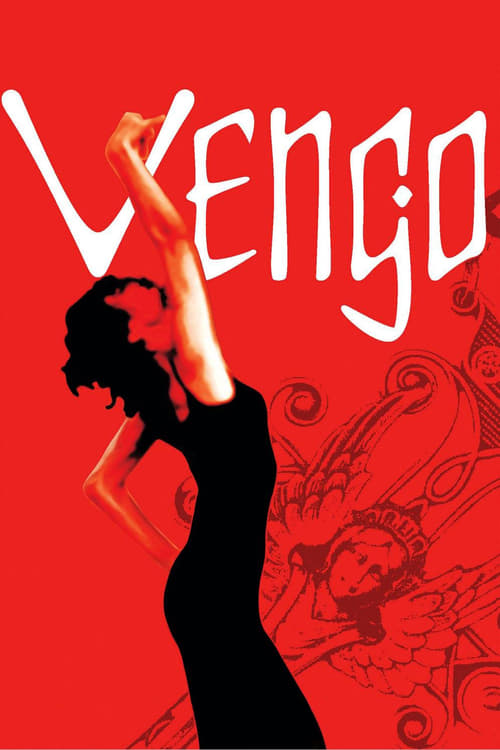
Caco is a proud, handsome man, head of a family, and very powerful in the local community. Yet he has been torn to pieces by the death of his beloved daughter. He constantly visits her grave, weeps silently at her photo and has transferred all his wildly protective love and attention onto his mentally challenged nephew, Diego. It seems that Diego's father, Caco's brother, is in hiding after having killed a man from the Caravaca family, who are equally powerful in the community. They are looking for vengeance and have come to Caco for justice. When he refuses to betray his brother, the Caravacas grow impatient. When they realize they are getting nowhere, they threaten to kill Diego. Despite his fierce pride, Caco eventually realizes that the cycle of killing and revenge must be broken. But how can he achieve this and protect everyone he loves?
2018
2001

1982
2008
1981
2019
1981
2008
No reviews yet. Be the first to share your thoughts on this movie!
Use the rating form above to leave a star rating and optional review.