The Alien Dead
1980
No user ratings available yet
Diversity score: 2.3 out of 10
2003
RDirector
Rick Popko, Dan West
Runtime
80 minutes
Average Rating
No ratings yetSynopsis
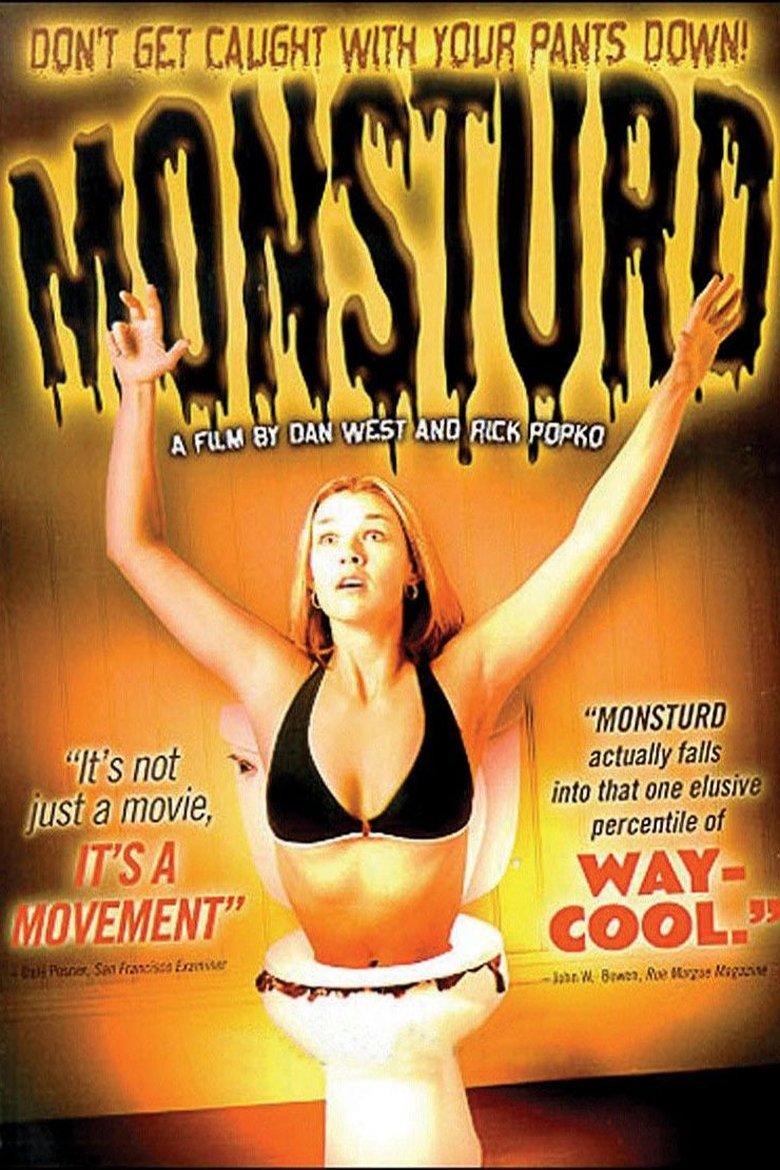
A serial killer mutates with a chemical inside a sewer, to become a monster made of human waste just as the FBI and police are onto him.
Overall Score
Limited
Category Breakdown
LGBTQ+ Representation
The film lacks any evidence of non-cisnormative identities or same-sex intimacy. The narrative focus remains strictly on the antagonist's physical transformation.
Gender Representation
There is no indication of subverted gender hierarchies. The central conflict involves a serial killer and law enforcement, roles that default to traditional masculine archetypes.
Racial & Ethnic Diversity
The synopsis does not mention a diverse cast or the blending of racial identities. The plot suggests a standard procedural framework without intentional demographic expansion.
Religious & Cultural Diversity
The film utilizes themes of biological mutation and systemic decay. However, it lacks an explicit critique of Western institutions, capitalism, or organized religion.
Disability Representation
The protagonist's radical physical mutation serves as a horror trope. This transformation is used to elicit fear rather than to provide nuanced depictions of disability.
Strengths
Areas for Improvement
AI Analysis
Monsturd functions as a traditional genre exercise centered on visceral spectacle. The narrative architecture prioritizes body horror and biological mutation over complex social commentary or identity-driven character arcs. The film follows conventional horror-comedy tropes, focusing on a serial killer's grotesque metamorphosis. This emphasis on physical disgust limits the opportunity for meaningful engagement with intersectional themes. Ultimately, the production appears to be a niche, genre-specific piece. It lacks the intentionality required to disrupt established social hierarchies or explore diverse human experiences.
No reviews yet. Be the first to share your thoughts on this movie!
Use the rating form above to leave a star rating and optional review.