
Killer Klowns from Outer Space
1988
No user ratings available yet
Representation score: 1.3 out of 10
Representation Score
Fair
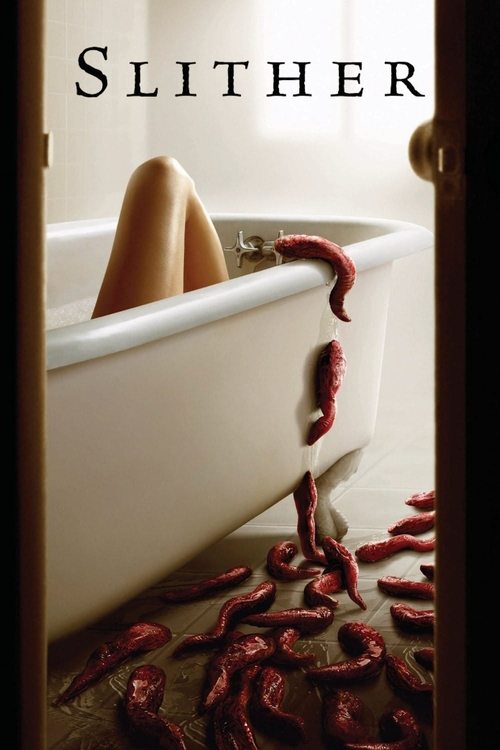
2006
RDirector
James Gunn
Runtime
96 minutes
Average Rating
No ratings yetNew Showbiz Analysis
Slither is a genre-driven study of body horror and dark comedy that prioritizes survival over social representation. While the demographic makeup is largely traditional and homogeneous, the film finds its progressive edge through the subversion of standard heroic archetypes. The narrative's strength lies in its rejection of the 'damsel in distress' cliché, instead centering a female protagonist who drives the plot. However, the film's focus on biological assimilation and physical mutation serves the horror genre rather than offering meaningful depictions of disability or diverse identities.
Category Breakdown
The film focuses on traditional romantic relationships, particularly the connection between Denise and Grant, without including LGBTQ+ representation or narratives.
Denise actively drives the survival plot with high levels of competence and tactical skills, challenging traditional gender roles.
The cast is predominantly white and homogeneous, reflecting the rural South Carolina setting. The film lacks intentional casting that includes diverse racial backgrounds.
The film critiques traditional Western social structures by showing the collapse of local authority and the fragility of the family unit and community stability.
Physical transformations are used as body horror plot devices rather than depicting lived disability, framing these changes as monstrous rather than empowering.
Present on Screen
Limited or Absent
Official Synopsis
A small town is taken over by an alien plague, turning residents into zombies and all forms of mutant monsters.
1988
1986
1986

1993
1992

1984
2015

1978
No reviews yet. Be the first to share your thoughts on this movie!
Use the rating form above to leave a star rating and optional review.