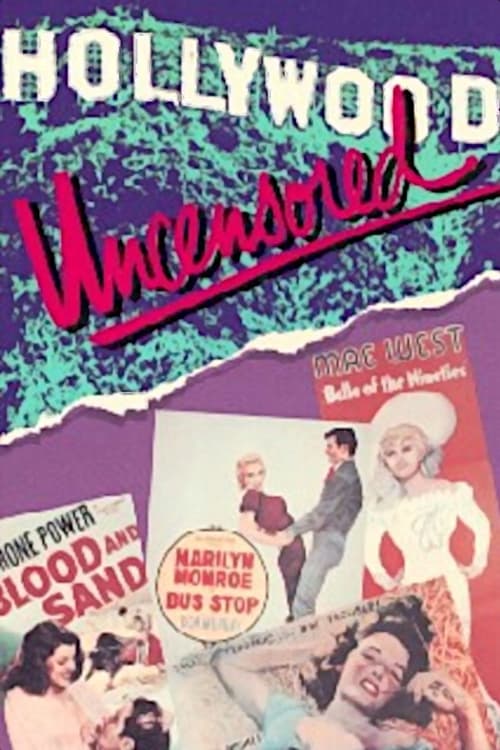
Hollywood Uncensored
1987
No user ratings available yet
Representation score: 2.3 out of 10
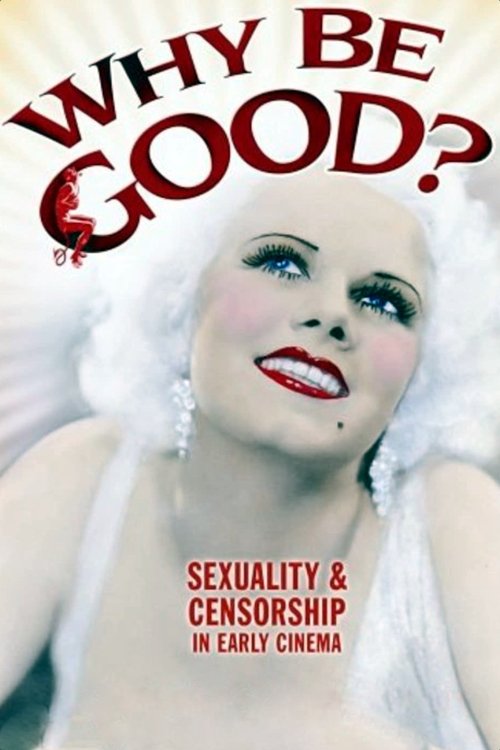
Representation Score
Good
2007
Director
Elaina Archer
Runtime
70 minutes
Average Rating
No ratings yetNew Showbiz Analysis
The documentary provides a scholarly deconstruction of institutionalized morality in early Hollywood. It effectively uses the testimonies of cinematic icons to highlight the tension between individual expression and systemic censorship. By framing the Production Code as a restrictive force rather than a moral advancement, the film offers a progressive historical revision. It prioritizes the study of suppressed liberties and the evolution of social expression. However, the focus remains heavily on the dominant demographics of the early 20th-century studio system. This limits the breadth of the social critique regarding racial and ethnic representation.
Category Breakdown
The film looks at how the Production Code suppressed non-traditional expressions of intimacy. It explores the historical erasure of queer subtext through the lens of early cinematic sexuality.
The documentary focuses on female icons like Gloria Swanson and Marlene Dietrich. It examines their experiences with artistic freedom and the restrictions placed on their bodily autonomy.
The narrative centers on established white stars of the early Hollywood studio system. This suggests the analysis centers on the industry's dominant demographic of that era.
The film critiques traditional institutional authority by framing the Production Code as a harsh system. It challenges conventional celebrations of historical moral standards.
There is no evidence that disability or neurodivergence serves as a central theme in this documentary.
Present on Screen
Limited or Absent
Official Synopsis
Before the G, PG and R ratings system there was the Production Code, and before that there was, well, nothing. This eye-opening documentary examines the rampant sexuality of early Hollywood through movie clips and reminiscences by stars of the era. Gloria Swanson, Mary Pickford, Marlene Dietrich and others relate tales of the artistic freedom that led to the draconian Production Code, which governed content from 1934 to 1968. Diane Lane narrates.
1987
2019
2008
2005
2020
2006
2016
2013
No reviews yet. Be the first to share your thoughts on this movie!
Use the rating form above to leave a star rating and optional review.